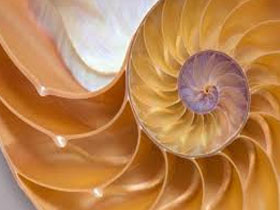
From "The Golden Ratio" documentary.
The Golden Rectangle and The Spirals
2271
From "The Golden Ratio" documentary.






 03:43 Videos
 01:17 Videos
 01:02 Videos
 00:51 Videos
 01:08 Videos
 02:06 Videos
 01:25 Videos
 02:29 Videos
 08:52 Videos
 03:43 Videos
 00:40 Videos
 01:14 Videos
 03:50 Videos
 06:12 Videos
 02:28 Videos
 11:46 Videos
 03:06 Videos
 06:43 Videos
 03:46 Videos
 03:25 Videos
 00:29 Videos
 08:22 Videos
 07:54 Videos
 06:12 Videos
 07:52 Videos
This video explores the concept of the golden rectangle, a shape defined by a specific ratio of sides that creates a mathematically perfect spiral. By examining how these spirals appear in natural structures like sunflowers and pine cones, the video illustrates the flawless precision inherent in the physical world. Viewers learn how these proportions are not accidental but are evidence of Allah's artistry in creation, demonstrating a deliberate and harmonious design throughout the universe.
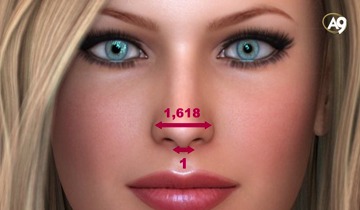
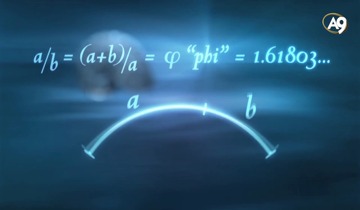
A golden rectangle is a shape where the proportion of the sides is equal to the golden ratio. Specifically, the length of the sides must be 1 unit by 1.618 units.
When a square is drawn along the short side of a golden rectangle and a quarter circle is inscribed within it, the pattern continues until a logarithmic spiral is formed. This geometric progression is a recurring feature in many natural structures.
Spirals derived from the golden ratio are considered visually pleasing because the human eye can track them with great ease. This visual comfort is a result of the harmonious proportions embedded in these forms.
The precise mathematical proportions found in elements like sunflowers and pine cones serve as evidence of Allah's artistry in creation. These patterns prove that all things are created flawlessly and with a specific, purposeful measure.
This video explores the concept of the golden rectangle, a shape defined by a specific ratio of sides that creates a mathematically perfect spiral. By examining how these spirals appear in natural structures like sunflowers and pine cones, the video illustrates the flawless precision inherent in the physical world. Viewers learn how these proportions are not accidental but are evidence of Allah's artistry in creation, demonstrating a deliberate and harmonious design throughout the universe.
A golden rectangle is a shape where the proportion of the sides is equal to the golden ratio. Specifically, the length of the sides must be 1 unit by 1.618 units.
When a square is drawn along the short side of a golden rectangle and a quarter circle is inscribed within it, the pattern continues until a logarithmic spiral is formed. This geometric progression is a recurring feature in many natural structures.
Spirals derived from the golden ratio are considered visually pleasing because the human eye can track them with great ease. This visual comfort is a result of the harmonious proportions embedded in these forms.
The precise mathematical proportions found in elements like sunflowers and pine cones serve as evidence of Allah's artistry in creation. These patterns prove that all things are created flawlessly and with a specific, purposeful measure.

Install the app
Tap the share button , then select "Add to Home Screen".