The digestive system: The mill in our bodies
1680






 42:18 Videos
 35:28 Videos
 26:19 Videos
 34:29 Videos
 04:23 Videos
 33:59 Videos
 35:37 Videos
 33:50 Videos
 42:30 Videos
 27:04 Videos
 51:31 Videos
 40:55 Videos
 47:53 Videos
 42:00 Videos
 30:18 Videos
 45:46 Videos
 39:37 Videos
 39:06 Videos
 39:15 Videos
 32:25 Videos
 30:41 Videos
 31:45 Videos
 31:39 Videos
 39:06 Videos
 49:57 Videos
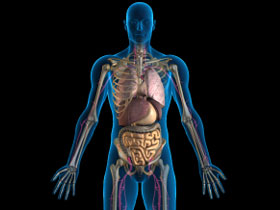
This video examines the intricate design of the human digestive system, highlighting how every component, such as the specialized structure of teeth, saliva, and the stomach, functions with purposeful harmony. It serves as an exploration of the flawless artistry in creation, demonstrating that these complex biological mechanisms are not random, but reflect the deliberate work of Allah. Viewers learn about the chemical processes and physical barriers that protect the body while enabling essential nutrition.
The teeth are created with distinct shapes tailored to specific functions, such as tearing or grinding. Their precise arrangement in the mouth and the perfect alignment between the upper and lower sets when the jaw closes reveal a clear, conscious plan rather than a random occurrence.
This tissue flap serves as a crucial safety mechanism that automatically closes the windpipe when swallowing. By preventing food and water from entering the respiratory system, it ensures human survival and showcases the precise engineering present in the body from birth.
The stomach walls are protected by a specialized layer of mucus secreted by cells. This fluid acts as a shield, preventing digestive enzymes and strong acids, which are capable of breaking down tough proteins, from damaging the stomach lining itself.
Saliva acts as a complex chemical mixture containing enzymes like amylase that break down carbohydrates into sugars. Additionally, it provides moisture necessary for swallowing and enables taste receptors to function, as food must be dissolved in liquid to be perceived by the tongue.
The stomach possesses three layers of powerful muscles that perform rhythmic undulations. This movement kneads and churns food, mechanically grinding it into smaller pieces and mixing it with gastric fluids to create a semi-liquid mixture known as chymus.
This video examines the intricate design of the human digestive system, highlighting how every component, such as the specialized structure of teeth, saliva, and the stomach, functions with purposeful harmony. It serves as an exploration of the flawless artistry in creation, demonstrating that these complex biological mechanisms are not random, but reflect the deliberate work of Allah. Viewers learn about the chemical processes and physical barriers that protect the body while enabling essential nutrition.
The teeth are created with distinct shapes tailored to specific functions, such as tearing or grinding. Their precise arrangement in the mouth and the perfect alignment between the upper and lower sets when the jaw closes reveal a clear, conscious plan rather than a random occurrence.
This tissue flap serves as a crucial safety mechanism that automatically closes the windpipe when swallowing. By preventing food and water from entering the respiratory system, it ensures human survival and showcases the precise engineering present in the body from birth.
The stomach walls are protected by a specialized layer of mucus secreted by cells. This fluid acts as a shield, preventing digestive enzymes and strong acids, which are capable of breaking down tough proteins, from damaging the stomach lining itself.
Saliva acts as a complex chemical mixture containing enzymes like amylase that break down carbohydrates into sugars. Additionally, it provides moisture necessary for swallowing and enables taste receptors to function, as food must be dissolved in liquid to be perceived by the tongue.
The stomach possesses three layers of powerful muscles that perform rhythmic undulations. This movement kneads and churns food, mechanically grinding it into smaller pieces and mixing it with gastric fluids to create a semi-liquid mixture known as chymus.

Install the app
Tap the share button , then select "Add to Home Screen".