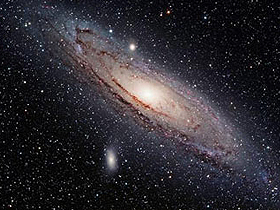
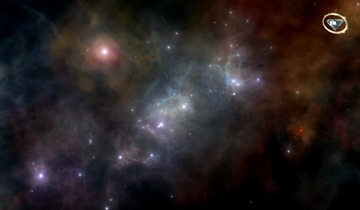
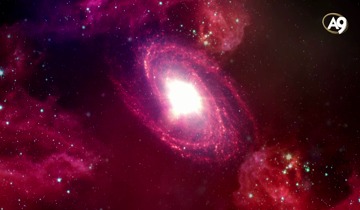
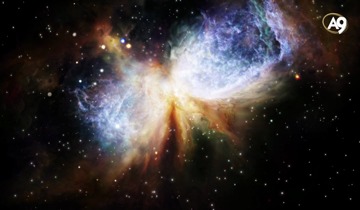
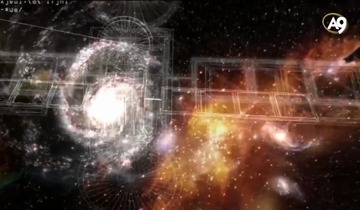


From "The Creation of The Universe" documentary.
Embed
07:54 Videos
07:52 Videos
05:11 Videos
08:22 Videos
06:43 Videos
03:06 Videos
11:46 Videos
02:28 Videos
03:50 Videos
37:54 Videos
02:57 Videos
04:30 Videos
02:25 Videos
01:16 Videos
00:31 Videos
00:40 Videos
00:31 Videos
00:50 Videos
00:33 Videos
00:21 Videos
00:42 Videos
00:41 Videos
00:58 Videos
02:13 Videos
01:31 Videos
This video details the scientific collapse of the steady-state theory, which erroneously proposed an eternal universe to support materialist philosophy. Through the discovery of Cosmic Background Radiation and analysis of hydrogen-helium concentrations, science has confirmed that the universe had a definitive beginning. This finding provides clear evidence of Allah's artistry in creation, refuting the notion of eternal matter.
- The steady-state theory was an attempt to defend materialism by claiming the universe was eternal.
- The discovery of Cosmic Background Radiation in 1965 provided definitive evidence for the Big Bang.
- Scientific findings regarding the universe's origin demonstrate Allah's artistry in creation.
- Researchers like Dennis Sciamma admitted the steady-state theory was invalid once the evidence became undeniable.
- The Big Bang confirms that the universe was brought into existence from nothing, rejecting the myth of eternal matter.
What was the main purpose of the steady-state theory? +
The steady-state theory was primarily championed to support materialist philosophy by arguing that the universe was eternal and infinite. It sought to avoid the scientific implications of a universe that had a distinct beginning.
How did Cosmic Background Radiation prove the Big Bang theory? +
Cosmic Background Radiation is the remnant heat left over from the initial moments of the universe's formation. Its discovery verified that the universe started with a singular event rather than existing for eternity.
Why does the hydrogen-helium concentration in space disprove an eternal universe? +
If the universe had existed for an infinite amount of time, the hydrogen would have been entirely consumed and converted into helium through stellar processes. The observed levels confirm a specific, finite age for the universe.
What does the Big Bang reveal about the origin of existence? +
The Big Bang demonstrates that the universe was brought into being from a state of non-existence. This points directly to a supreme power that created the universe, invalidating materialist claims about the eternity of matter.
Summary
This video details the scientific collapse of the steady-state theory, which erroneously proposed an eternal universe to support materialist philosophy. Through the discovery of Cosmic Background Radiation and analysis of hydrogen-helium concentrations, science has confirmed that the universe had a definitive beginning. This finding provides clear evidence of Allah's artistry in creation, refuting the notion of eternal matter.
Key Takeaways
- The steady-state theory was an attempt to defend materialism by claiming the universe was eternal.
- The discovery of Cosmic Background Radiation in 1965 provided definitive evidence for the Big Bang.
- Scientific findings regarding the universe's origin demonstrate Allah's artistry in creation.
- Researchers like Dennis Sciamma admitted the steady-state theory was invalid once the evidence became undeniable.
- The Big Bang confirms that the universe was brought into existence from nothing, rejecting the myth of eternal matter.
Frequently Asked Questions
What was the main purpose of the steady-state theory?
The steady-state theory was primarily championed to support materialist philosophy by arguing that the universe was eternal and infinite. It sought to avoid the scientific implications of a universe that had a distinct beginning.
How did Cosmic Background Radiation prove the Big Bang theory?
Cosmic Background Radiation is the remnant heat left over from the initial moments of the universe's formation. Its discovery verified that the universe started with a singular event rather than existing for eternity.
Why does the hydrogen-helium concentration in space disprove an eternal universe?
If the universe had existed for an infinite amount of time, the hydrogen would have been entirely consumed and converted into helium through stellar processes. The observed levels confirm a specific, finite age for the universe.
What does the Big Bang reveal about the origin of existence?
The Big Bang demonstrates that the universe was brought into being from a state of non-existence. This points directly to a supreme power that created the universe, invalidating materialist claims about the eternity of matter.