The Building Blocks of Living Beings: Proteins
2480






 01:50 Videos
 34:14 Videos
 01:48 Videos
 01:20 Videos
 05:01 Videos
 37:33 Videos
 30:59 Videos
 04:12 Videos
08:51 Videos
04:12 Videos
08:51 Videos
 33:12 Videos
 31:11 Videos
 39:25 Videos
 52:19 Videos
 01:32 Videos
 06:03 Videos
 03:47 Videos
 11:17 Videos
 01:29 Videos
 03:28 Videos
 04:33 Videos
 09:08 Videos
 03:16 Videos
 01:26 Videos
 02:24 Videos
 06:34 Videos
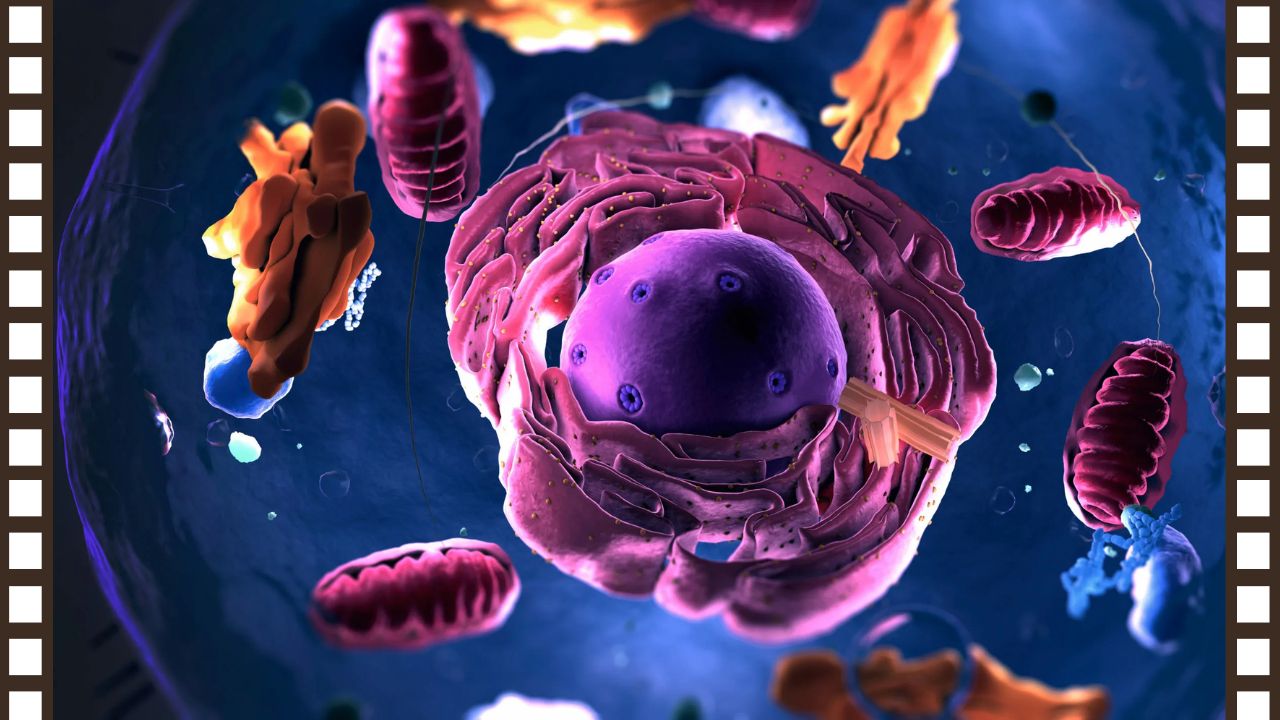
This video explores the complex and flawless nature of proteins as the essential building blocks of human life. It details their diverse functions, from forming tissues and muscles to regulating hormones and enzymes, while emphasizing that these structures cannot act by their own will. The video underscores that the perfect order of proteins provides clear evidence of Allah's artistry in creation.
Proteins serve as the fundamental building blocks that form muscles, hair, tissues, and enzymes. They are responsible for vital processes, including the pumping of blood and the transmission of electrical signals in the nervous system.
Proteins operate with flawless precision through specific production codes and amino acid sequences. Because they are unconscious structures that lack intent or knowledge, their perfect functionality is clear evidence of the intentional design by Allah.
No, proteins are unconscious groups of atoms aligned end to end. They do not possess the ability to see, choose, measure, or decipher the codes that determine their structure and function in the body.
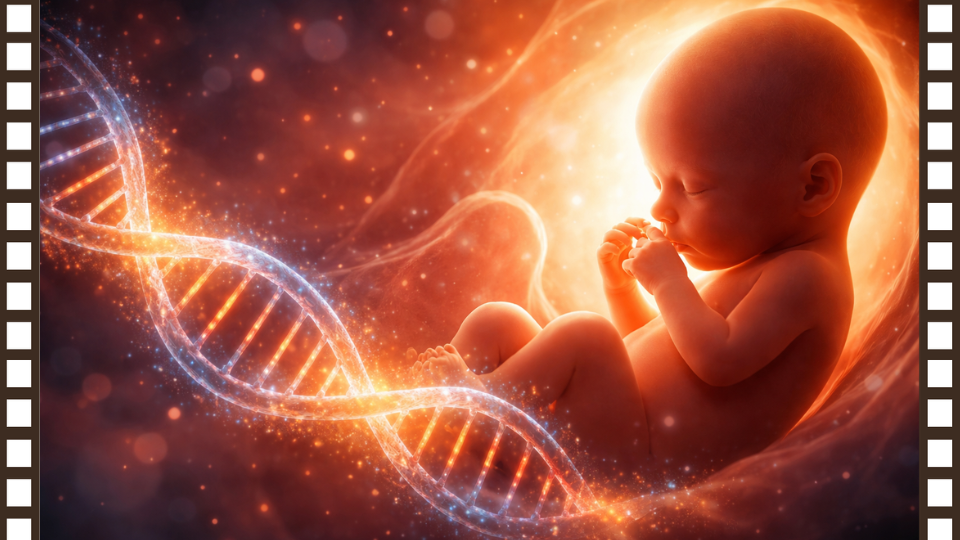
The tasks and structures of proteins are determined by production codes stored in DNA. Atoms are placed in these sequences with flawless accuracy to meet the specific requirements of the human body.
This video explores the complex and flawless nature of proteins as the essential building blocks of human life. It details their diverse functions, from forming tissues and muscles to regulating hormones and enzymes, while emphasizing that these structures cannot act by their own will. The video underscores that the perfect order of proteins provides clear evidence of Allah's artistry in creation.
Proteins serve as the fundamental building blocks that form muscles, hair, tissues, and enzymes. They are responsible for vital processes, including the pumping of blood and the transmission of electrical signals in the nervous system.
Proteins operate with flawless precision through specific production codes and amino acid sequences. Because they are unconscious structures that lack intent or knowledge, their perfect functionality is clear evidence of the intentional design by Allah.
No, proteins are unconscious groups of atoms aligned end to end. They do not possess the ability to see, choose, measure, or decipher the codes that determine their structure and function in the body.
The tasks and structures of proteins are determined by production codes stored in DNA. Atoms are placed in these sequences with flawless accuracy to meet the specific requirements of the human body.

Install the app
Tap the share button , then select "Add to Home Screen".