






Embed
30:02 Videos
34:14 Videos
11:38 Videos
08:27 Videos
05:57 Videos
01:10 Videos
14:40 Videos
26:41 Videos
43:34 Videos
49:37 Videos
40:35 Videos
03:47 Videos
11:17 Videos
26:09 Videos
34:37 Videos
09:08 Videos
31:15 Videos
02:14 Videos
01:04 Videos
01:10 Videos
02:27 Videos
33:59 Videos
00:53 Videos
01:05 Videos
02:53 Videos
This video explores the devastating impact of communist ideology during the 20th century, focusing on the regimes of Lenin and Stalin. It details how materialist philosophy led to mass famine, systematic state terror, and the loss of millions of lives. Through a historical analysis, the video highlights the inherent cruelty of this ideology and its destructive effect on humanity, art, and society.
- Communist regimes in the 20th century were responsible for the deaths of over 120 million innocent people.
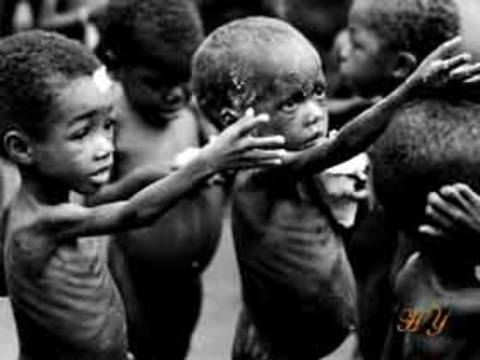
- Stalin's collectivization policies intentionally triggered massive famines that led to millions of starvation deaths.
- The materialist worldview of communism reduces human beings to mere matter, resulting in a culture of violence and fear.
- True art and human flourishing are suppressed under communist dictatorships due to the total absence of freedom and spiritual awareness.
- The video refutes materialist philosophy as the root cause of the savage cruelty observed throughout Soviet history.
What were the primary consequences of Stalin's collectivization policy? +
Collectivization involved the state seizing all land, produce, and agricultural equipment from peasants. This led to widespread famine, resulting in millions of deaths in Ukraine, Kazakhstan, and the Northern Caucasus, and in extreme cases, pushed people to cannibalism.
How did Stalin maintain control over his political associates? +
Stalin utilized a pervasive atmosphere of fear, secret police operations by the NKVD, and show trials to eliminate potential rivals. He ensured that officials remained in a constant state of terror, forcing them to display sycophantic loyalty to avoid execution.
Why does communist ideology fundamentally conflict with human nature? +
By viewing human beings as a mere collection of matter rather than beings endowed with a soul by Allah, the ideology strips life of its value. This materialistic framework seeks to manage society through fear and terror, which suppresses the natural yearning for aesthetic beauty and freedom.
What was the impact of communist ideology on the arts and culture? +
Communism replaced rich cultural traditions with a restrictive style known as socialist realism. Because true art requires freedom to express wonder at the beauty Allah created, the rigid constraints of the materialist system caused the stagnation and death of artistic expression.
How did the regime target specific religious and ethnic groups? +
The regime frequently labeled religious believers and clergy as enemies of the state, sending them to labor camps or executing them. Furthermore, ethnic groups such as the Muslim Tartars in the Crimea were victims of mass forced exile, resulting in high mortality rates during their deportation.
Summary
This video explores the devastating impact of communist ideology during the 20th century, focusing on the regimes of Lenin and Stalin. It details how materialist philosophy led to mass famine, systematic state terror, and the loss of millions of lives. Through a historical analysis, the video highlights the inherent cruelty of this ideology and its destructive effect on humanity, art, and society.
Key Takeaways
- Communist regimes in the 20th century were responsible for the deaths of over 120 million innocent people.
- Stalin's collectivization policies intentionally triggered massive famines that led to millions of starvation deaths.
- The materialist worldview of communism reduces human beings to mere matter, resulting in a culture of violence and fear.
- True art and human flourishing are suppressed under communist dictatorships due to the total absence of freedom and spiritual awareness.
- The video refutes materialist philosophy as the root cause of the savage cruelty observed throughout Soviet history.
Frequently Asked Questions
What were the primary consequences of Stalin's collectivization policy?
Collectivization involved the state seizing all land, produce, and agricultural equipment from peasants. This led to widespread famine, resulting in millions of deaths in Ukraine, Kazakhstan, and the Northern Caucasus, and in extreme cases, pushed people to cannibalism.
How did Stalin maintain control over his political associates?
Stalin utilized a pervasive atmosphere of fear, secret police operations by the NKVD, and show trials to eliminate potential rivals. He ensured that officials remained in a constant state of terror, forcing them to display sycophantic loyalty to avoid execution.
Why does communist ideology fundamentally conflict with human nature?
By viewing human beings as a mere collection of matter rather than beings endowed with a soul by Allah, the ideology strips life of its value. This materialistic framework seeks to manage society through fear and terror, which suppresses the natural yearning for aesthetic beauty and freedom.
What was the impact of communist ideology on the arts and culture?
Communism replaced rich cultural traditions with a restrictive style known as socialist realism. Because true art requires freedom to express wonder at the beauty Allah created, the rigid constraints of the materialist system caused the stagnation and death of artistic expression.
How did the regime target specific religious and ethnic groups?
The regime frequently labeled religious believers and clergy as enemies of the state, sending them to labor camps or executing them. Furthermore, ethnic groups such as the Muslim Tartars in the Crimea were victims of mass forced exile, resulting in high mortality rates during their deportation.