


Embed
07:05 Videos
02:08 Videos
01:41 Videos
03:13 Videos
06:02 Videos
01:18 Videos
Videos
02:15 Videos
33:49 Videos
42:12 Videos
01:16 Videos
00:48 Videos
00:44 Videos
01:49 Videos
01:27 Videos
01:31 Videos
01:33 Videos
01:25 Videos
01:54 Videos
01:33 Videos
00:53 Videos
00:43 Videos
00:54 Videos
00:54 Videos
01:33 Videos
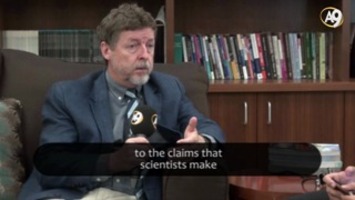
This video discusses the nature of evidence, distinguishing between empirical scientific data and the philosophical or moral reasoning that points toward the existence of God. It emphasizes that while scientific observations are valuable, they cannot account for conscience, moral sensibilities, or the deeper truths of human life. The video highlights how reason and intuition serve as essential pathways for understanding the reality of Allah's artistry in creation.
- Evidence exists in multiple forms, encompassing sensory, scientific, philosophical, and moral dimensions.
- Empirical science alone is insufficient to provide guidance on moral conduct and the proper way to live.
- Intuition and conscience are fundamental tools for grasping moral truths and the evidence for the divine.
- Recognizing Allah's artistry in creation requires looking beyond physical data to include intellectual and spiritual reflection.
Why is empirical evidence insufficient for understanding the full reality of existence? +
Empirical evidence is limited to what can be observed through the senses and measured scientifically. It cannot address fundamental questions of morality, purpose, or the spiritual truths that define the human experience.
How does conscience function as evidence for divine truth? +
Conscience acts as an intuitive guide that distinguishes between right and wrong. This innate moral sensitivity transcends physical perception, serving as clear evidence of the creator's design within the human spirit.
What is the relationship between philosophical reasoning and the existence of God? +
Philosophical reasoning allows individuals to move beyond the physical world to understand the logic behind existence. Through intellectual inquiry, one can observe the flawless creation and conclude that a supreme creator is necessary.
Can science determine the morality of human actions? +
Science provides data about the physical environment, but it lacks the capacity to define moral values or dictate how a person should live. Moral knowledge is rooted in conscience and divine guidance rather than laboratory observation.
Summary
This video discusses the nature of evidence, distinguishing between empirical scientific data and the philosophical or moral reasoning that points toward the existence of God. It emphasizes that while scientific observations are valuable, they cannot account for conscience, moral sensibilities, or the deeper truths of human life. The video highlights how reason and intuition serve as essential pathways for understanding the reality of Allah's artistry in creation.
Key Takeaways
- Evidence exists in multiple forms, encompassing sensory, scientific, philosophical, and moral dimensions.
- Empirical science alone is insufficient to provide guidance on moral conduct and the proper way to live.
- Intuition and conscience are fundamental tools for grasping moral truths and the evidence for the divine.
- Recognizing Allah's artistry in creation requires looking beyond physical data to include intellectual and spiritual reflection.
Frequently Asked Questions
Why is empirical evidence insufficient for understanding the full reality of existence?
Empirical evidence is limited to what can be observed through the senses and measured scientifically. It cannot address fundamental questions of morality, purpose, or the spiritual truths that define the human experience.
How does conscience function as evidence for divine truth?
Conscience acts as an intuitive guide that distinguishes between right and wrong. This innate moral sensitivity transcends physical perception, serving as clear evidence of the creator's design within the human spirit.
What is the relationship between philosophical reasoning and the existence of God?
Philosophical reasoning allows individuals to move beyond the physical world to understand the logic behind existence. Through intellectual inquiry, one can observe the flawless creation and conclude that a supreme creator is necessary.
Can science determine the morality of human actions?
Science provides data about the physical environment, but it lacks the capacity to define moral values or dictate how a person should live. Moral knowledge is rooted in conscience and divine guidance rather than laboratory observation.