Prof. Douglas Geivetts Answers the Question "How Can We Lead People to Faith"
2181






 01:41 Videos
 07:05 Videos
 02:08 Videos
01:50 Videos
02:08 Videos
01:50 Videos
 01:18 Videos
 00:54 Videos
 57:34 Videos
 02:20 Videos
 01:15 Videos
06:02 Videos
01:15 Videos
06:02 Videos
 01:49 Videos
 01:27 Videos
 01:31 Videos
01:33 Videos
01:25 Videos
01:54 Videos
01:33 Videos
00:53 Videos
00:43 Videos
00:54 Videos
01:33 Videos
02:01 Videos
00:55 Videos
01:31 Videos
01:33 Videos
01:25 Videos
01:54 Videos
01:33 Videos
00:53 Videos
00:43 Videos
00:54 Videos
01:33 Videos
02:01 Videos
00:55 Videos
 04:40 Videos
 07:16 Videos
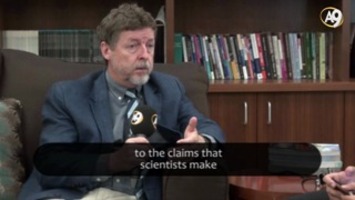
In this video, Professor Douglas Geivett discusses the necessity of returning to foundational beliefs to foster faith within society and among the youth. He argues that humans are inherently truth-interested and evidence-sensitive, meaning that clear, logical presentations of belief are essential for personal conviction. By prioritizing reason and evidence, individuals and institutions can effectively guide others toward a life of faith.
Humans are naturally evidence-sensitive and truth-interested beings. Providing logical reasons for belief allows people to engage with the truth, which aligns with the innate human desire to understand what is real and meaningful.
Human beings are created with a fundamental orientation toward discovering truth. Because people are responsive to evidence—both through spontaneous reaction and deep reflection—clear communication of truth is an effective way to guide individuals toward faith.
When individuals or institutions become obsessed with fitting into cultural trends, they often fail to live distinctive lives. This lack of distinctiveness obscures the core beliefs and the best reasons to hold them, ultimately hindering the spread of faith.
Evidence serves as the bridge that connects the human mind to objective truth. By taking the role of evidence seriously, believers can effectively communicate their faith and help others arrive at true conclusions through careful reflection.
In this video, Professor Douglas Geivett discusses the necessity of returning to foundational beliefs to foster faith within society and among the youth. He argues that humans are inherently truth-interested and evidence-sensitive, meaning that clear, logical presentations of belief are essential for personal conviction. By prioritizing reason and evidence, individuals and institutions can effectively guide others toward a life of faith.
Humans are naturally evidence-sensitive and truth-interested beings. Providing logical reasons for belief allows people to engage with the truth, which aligns with the innate human desire to understand what is real and meaningful.
Human beings are created with a fundamental orientation toward discovering truth. Because people are responsive to evidence—both through spontaneous reaction and deep reflection—clear communication of truth is an effective way to guide individuals toward faith.
When individuals or institutions become obsessed with fitting into cultural trends, they often fail to live distinctive lives. This lack of distinctiveness obscures the core beliefs and the best reasons to hold them, ultimately hindering the spread of faith.
Evidence serves as the bridge that connects the human mind to objective truth. By taking the role of evidence seriously, believers can effectively communicate their faith and help others arrive at true conclusions through careful reflection.

Install the app
Tap the share button , then select "Add to Home Screen".