Mr.Kenneth Keathley: Theology Professor Identifies Science’s Role with Christianity
934






 HD 19:36 Videos
 HD 24:24 Videos
 HD 21:12 Videos
 HD 22:53 Videos
 HD 24:20 Videos
 HD 22:53 Videos
 01:35 Videos
 02:26 Videos
 01:50 Videos
 HD 06:40 Videos
 HD 05:40 Videos
 HD 02:07 Videos
 HD 04:23 Videos
 HD 03:55 Videos
 HD 24:53 Videos
 HD 10:56 Videos
 HD 16:48 Videos
 00:16 Videos
 HD 00:13 Videos
 HD 14:50 Videos
 HD 04:37 Videos
 HD 03:10 Videos
 HD 02:07 Videos
 HD 01:00 Videos
 HD 16:50 Videos
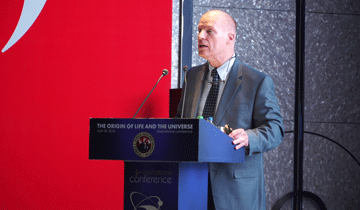
This video explores the fundamental role of creation in theology and its relationship to the world. It critiques the materialist and atheist implications often associated with Darwinist claims, noting their potential to strip life of its divine purpose. Additionally, the video discusses historical interpretations of creation within the church and the ongoing conversation between faith and science.
Creation is the beginning of the relationship between God and the world. Without a proper understanding of it, one cannot grasp the purpose of human existence, the actions of God, or the ultimate goals of life.
Teaching materialism promotes the idea that there is no God, which suggests that human life lacks inherent purpose. This perspective removes the concept of accountability and can have a destructive impact on the lives of individuals.
Historically, many thinkers, including Augustine, engaged in debates about the nature of the creation days. It was understood by many in the early church that these days were not necessarily intended to be interpreted as literal 24-hour periods.
As Darwinian theory faces increasing scrutiny and intellectual trouble, its potential collapse opens new avenues for dialogue. This shift allows for a transition toward different frameworks when examining the origins of the universe and life.
This video explores the fundamental role of creation in theology and its relationship to the world. It critiques the materialist and atheist implications often associated with Darwinist claims, noting their potential to strip life of its divine purpose. Additionally, the video discusses historical interpretations of creation within the church and the ongoing conversation between faith and science.
Creation is the beginning of the relationship between God and the world. Without a proper understanding of it, one cannot grasp the purpose of human existence, the actions of God, or the ultimate goals of life.
Teaching materialism promotes the idea that there is no God, which suggests that human life lacks inherent purpose. This perspective removes the concept of accountability and can have a destructive impact on the lives of individuals.
Historically, many thinkers, including Augustine, engaged in debates about the nature of the creation days. It was understood by many in the early church that these days were not necessarily intended to be interpreted as literal 24-hour periods.
As Darwinian theory faces increasing scrutiny and intellectual trouble, its potential collapse opens new avenues for dialogue. This shift allows for a transition toward different frameworks when examining the origins of the universe and life.

Install the app
Tap the share button , then select "Add to Home Screen".