logo HARUN YAHYA
  • Home
  • All Works
  • Books
  • Articles
  • Horizontal Vertical
  • Voices
  • Images
  • Quotes
  • Other
  • Home
  • All Works
  • Books
  • Articles
  • Horizontal Vertical
  • Voices
  • Images
  • Quotes
  • Other
logo HARUN YAHYA
  • All Works
  • Books
  • Articles
  • Videos — Horizontal
  • Videos — Vertical
  • Voices
  • Images
  • Quotes
  • Other
  • Documentaries
  • Mahdi, Jesus And The End Times
  • Collapse Of The Theory Of Evolution
  • Signs Leading To Faith And Miracle Of Creation
  • People Of The Book And Prophets
  • Turkish Islamic Union
  • Outlook To Other Faith And Philosophies
  • The Secret Beyond Matter
  • Harun Yahya And Influences
  • International Conferences
  • Scientists Talk About Creation
  • What Did They Say For Evolution?
  • Genuine Ataturkism
  • Justice for All
  • Interviews Of A9 Tv
  • Q&A
  • Pleasant Thoughts
  • History, Politics And Strategy
  • Morality Of The Qur'An And Deep Thinking
Videos Mohamed Daher Rablah, Islamic Scholar
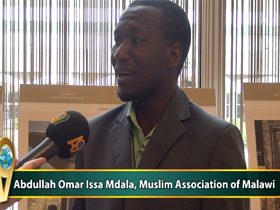
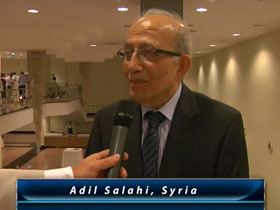
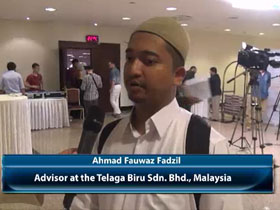
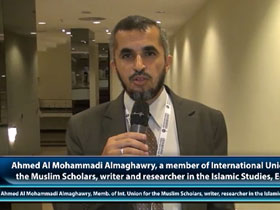
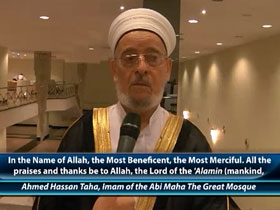
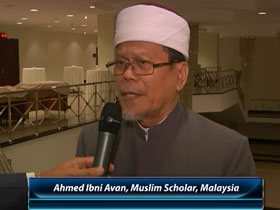
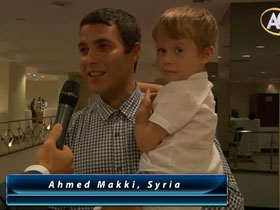
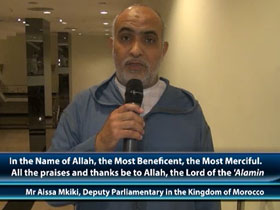
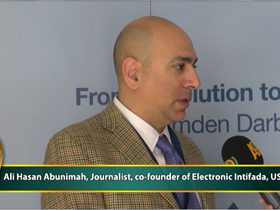
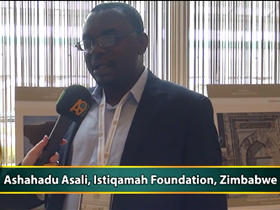
Abdullah Omar Issa Mdala, Muslim Association of Malawi Abdullah Omar Issa Mdala, Muslim Association of Malawi Adil Salahi, Syria Adil Salahi, Syria Ahmad Fauwaz Fadzil, Advisor at the Telaga Biru Sdn. Bhd., Malaysia Ahmad Fauwaz Fadzil, Advisor at the Telaga Biru Sdn. Bhd., Malaysia Ahmed Al Mohammadi Almaghawry, a member. of International Union for the Muslim Scholars, writer and researcher in the Islamic Studies, Egypt Ahmed Al Mohammadi Almaghawry, a member. of International Union for the Muslim Scholars, writer and researcher in the Islamic Studies, Egypt Ahmed Hassan Taha, Imam of the Abi Maha The Great Mosque Ahmed Hassan Taha, Imam of the Abi Maha The Great Mosque Ahmed Ibni Avan, Muslim Scholar, Malaysia Ahmed Ibni Avan, Muslim Scholar, Malaysia Ahmed Makki, Syria Ahmed Makki, Syria Aissa Mkiki, Deputy Parliamentary in the Kingdom of Morocco Aissa Mkiki, Deputy Parliamentary in the Kingdom of Morocco Ali Hasan Abunimah, Journalist, co-founder of Electronic Intifada, USA Ali Hasan Abunimah, Journalist, co-founder of Electronic Intifada, USA Ashahadu Asali, Istiqamah Foundation, Zimbabwe Ashahadu Asali, Istiqamah Foundation, Zimbabwe Ayachi Mouhamed Halil, International Union for Muslims Scholars, Tunisia Ayachi Mouhamed Halil, International Union for Muslims Scholars, Tunisia Dr. Abdelhamid Hamdi, from Tunis Dr. Abdelhamid Hamdi, from Tunis
00:00
Subtitles
Off
English (generated automatically)
00:00/00:00

Mohamed Daher Rablah, Islamic Scholar

1547 October 26, 2017
History, Politics And Strategy Interviews Of A9 Tv Outlook To Other Faith And Philosophies People Of The Book And Prophets Turkish Islamic Union

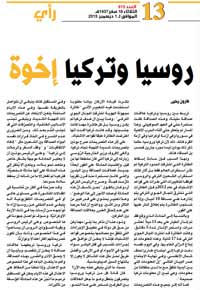
Turkey the Leader Country
Neither the United States nor the Europe. Merely Turkey will grow Articles
Neither the United States nor the Europe. Merely Turkey will grow
More Than Friends: The Russia, Turkey Relationship Articles
More Than Friends: The Russia, Turkey Relationship
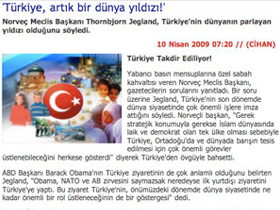
Turkey is now a world star Articles
Turkey is now a world star
Italian Professor: Istanbul will be the capital city of EU… Articles
Italian Professor: Istanbul will be the capital city of EU…
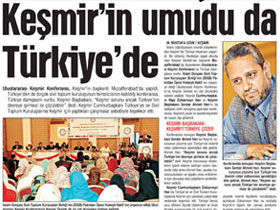
Kashmir also lays its hope in Turkey Articles
Kashmir also lays its hope in Turkey
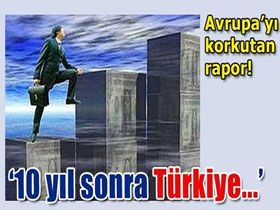
In the next decade Turkey will be the strongest country of Europe Articles
In the next decade Turkey will be the strongest country of Europe
SHARE
Facebook
X
WhatsApp
Telegram
QR Code
Embed
QR Code

Embed

Downloads
mp3 mp4
Abdullah Omar Issa Mdala, Muslim Association of Malawi 02:14 Videos
Abdullah Omar Issa Mdala, Muslim Association of Malawi
Adil Salahi, Syria 02:27 Videos
Adil Salahi, Syria
Ahmad Fauwaz Fadzil, Advisor at the Telaga Biru Sdn. Bhd., Malaysia 01:05 Videos
Ahmad Fauwaz Fadzil, Advisor at the Telaga Biru Sdn. Bhd., Malaysia
Ahmed Al Mohammadi Almaghawry, a member. of International Union for the Muslim Scholars, writer and researcher in the Islamic Studies, Egypt 05:08 Videos
Ahmed Al Mohammadi Almaghawry, a member. of International Union for the Muslim Scholars, writer and researcher in the Islamic Studies, Egypt
Ahmed Hassan Taha, Imam of the Abi Maha The Great Mosque 05:41 Videos
Ahmed Hassan Taha, Imam of the Abi Maha The Great Mosque
Ahmed Ibni Avan, Muslim Scholar, Malaysia 03:09 Videos
Ahmed Ibni Avan, Muslim Scholar, Malaysia
Ahmed Makki, Syria 00:58 Videos
Ahmed Makki, Syria
Aissa Mkiki, Deputy Parliamentary in the Kingdom of Morocco 04:02 Videos
Aissa Mkiki, Deputy Parliamentary in the Kingdom of Morocco
Ali Hasan Abunimah, Journalist, co-founder of Electronic Intifada, USA 02:14 Videos
Ali Hasan Abunimah, Journalist, co-founder of Electronic Intifada, USA
Ashahadu Asali, Istiqamah Foundation, Zimbabwe 02:44 Videos
Ashahadu Asali, Istiqamah Foundation, Zimbabwe
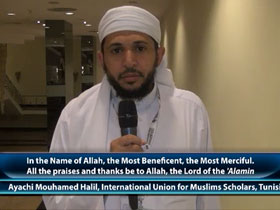
Ayachi Mouhamed Halil, International Union for Muslims Scholars, Tunisia 02:57 Videos
Ayachi Mouhamed Halil, International Union for Muslims Scholars, Tunisia
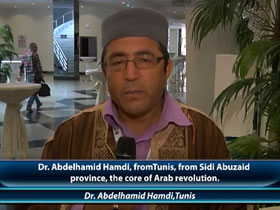
Dr. Abdelhamid Hamdi, from Tunis 02:22 Videos
Dr. Abdelhamid Hamdi, from Tunis
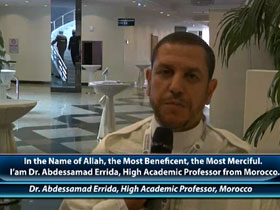
Dr. Abdessamad Errida, High Academic Professor, Morocco 02:38 Videos
Dr. Abdessamad Errida, High Academic Professor, Morocco
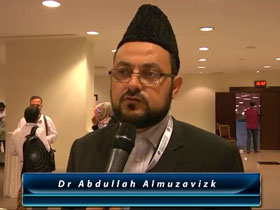
Dr Abdullah Almuzavizk 01:50 Videos
Dr Abdullah Almuzavizk
Dr. Abdulmoiz Hariz, Teacher, University of Jordan 01:18 Videos
Dr. Abdulmoiz Hariz, Teacher, University of Jordan
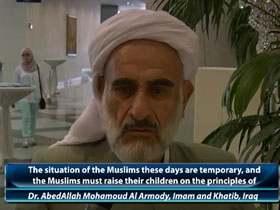
Dr. AbedAllah Mahomoud Al Armody, Imam and Khatib, Iraq 04:10 Videos
Dr. AbedAllah Mahomoud Al Armody, Imam and Khatib, Iraq
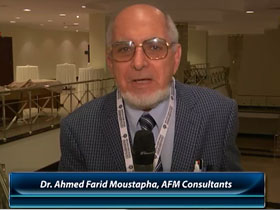
Dr. Ahmed Farid Moustapha, AFM Consultants 02:05 Videos
Dr. Ahmed Farid Moustapha, AFM Consultants
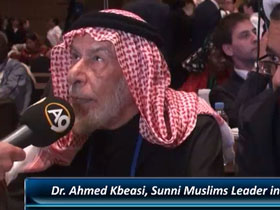
Dr. Ahmed Kbeasi, Sunni Muslims Leader in Iraq 02:21 Videos
Dr. Ahmed Kbeasi, Sunni Muslims Leader in Iraq
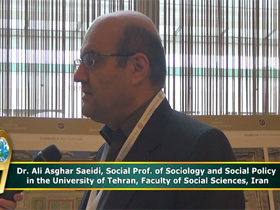
Dr. Ali Asghar Saeidi, Social Prof. of Sociology and Sociology and Social Policy in the University of Tehran, Faculty of Social Sciences, Iran 02:10 Videos
Dr. Ali Asghar Saeidi, Social Prof. of Sociology and Sociology and Social Policy in the University of Tehran, Faculty of Social Sciences, Iran
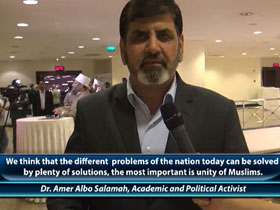
Dr. Amer Albo Salamah, Academic and Political Activist 02:48 Videos
Dr. Amer Albo Salamah, Academic and Political Activist
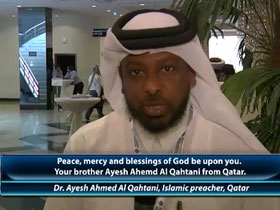
Dr. Ayesh Ahmed Al Qahtani, Islamic preacher, Qatar 01:55 Videos
Dr. Ayesh Ahmed Al Qahtani, Islamic preacher, Qatar
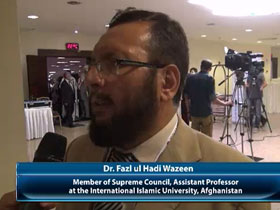
Dr. Fazl ul Hadi Wazeen, Member of Supreme Council, Assistant Professor at the International Islamic University, Afghanistan 02:12 Videos
Dr. Fazl ul Hadi Wazeen, Member of Supreme Council, Assistant Professor at the International Islamic University, Afghanistan
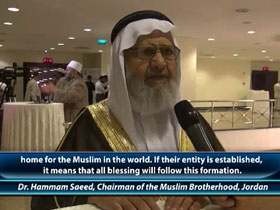
Dr. Hammam Saeed, Chairman of the Muslim Brotherhood, Jordan 02:11 Videos
Dr. Hammam Saeed, Chairman of the Muslim Brotherhood, Jordan
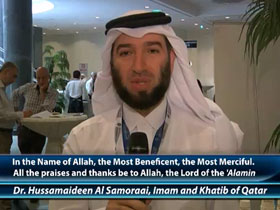
Dr. Hussamaideen Al Samoraai, Imam and Khatib of Qatar 04:41 Videos
Dr. Hussamaideen Al Samoraai, Imam and Khatib of Qatar
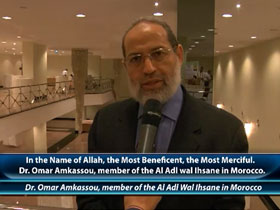
Dr. Omar Amkassou, Member of the Al Adl Wal Ihsane in Morocco 02:42 Videos
Dr. Omar Amkassou, Member of the Al Adl Wal Ihsane in Morocco

This video addresses the challenges of internal conflict and sectarian warfare within the Islamic world. It highlights that the solution to such turmoil is grounded in Qur'anic principles of reconciliation and the promotion of unity. The message emphasizes that by managing differences through understanding and cooperation on essential truths, Muslims can overcome divisiveness and prevent external powers from exploiting internal rifts.

  • The Qur'an provides a fundamental framework for reconciliation when conflicts arise between believers.
  • True Islamic unity is achieved by prioritizing cooperation on foundational principles while managing secondary differences with respect.
  • Internal fighting only serves to weaken the Islamic world and provide opportunities for external enemies to sow further discord.
  • Dialogue and listening to opposing viewpoints are essential alternatives to violence for resolving disagreements.
What is the primary Qur'anic approach to resolving conflicts between Muslims? +

The Qur'an advocates for active reconciliation. When groups of believers fall into conflict, it is the duty of others to intervene, mediate, and bring them back to a state of peace and order.

How should differences of opinion be managed within the Islamic community? +

Differences are considered a natural part of human life. The Islamic solution is to manage these differences by focusing on common ground in essential matters while maintaining respect and cooperation regarding secondary issues.

Why is internal conflict dangerous for the Islamic world? +

Internal fighting, especially sectarian conflict, creates deep divisions that weaken the society. Such strife provides external adversaries with opportunities to intervene and perpetuate further instability and discord among Muslims.

What is the ultimate goal of adopting the Islamic principle of unity? +

The goal is to move beyond the cycle of warfare and misunderstanding toward a culture of dialogue. By applying Qur'anic wisdom, Muslims can resolve disputes through mutual understanding rather than resorting to violence.

Summary

This video addresses the challenges of internal conflict and sectarian warfare within the Islamic world. It highlights that the solution to such turmoil is grounded in Qur'anic principles of reconciliation and the promotion of unity. The message emphasizes that by managing differences through understanding and cooperation on essential truths, Muslims can overcome divisiveness and prevent external powers from exploiting internal rifts.

Key Takeaways

  • The Qur'an provides a fundamental framework for reconciliation when conflicts arise between believers.
  • True Islamic unity is achieved by prioritizing cooperation on foundational principles while managing secondary differences with respect.
  • Internal fighting only serves to weaken the Islamic world and provide opportunities for external enemies to sow further discord.
  • Dialogue and listening to opposing viewpoints are essential alternatives to violence for resolving disagreements.

Frequently Asked Questions

What is the primary Qur'anic approach to resolving conflicts between Muslims?

The Qur'an advocates for active reconciliation. When groups of believers fall into conflict, it is the duty of others to intervene, mediate, and bring them back to a state of peace and order.

How should differences of opinion be managed within the Islamic community?

Differences are considered a natural part of human life. The Islamic solution is to manage these differences by focusing on common ground in essential matters while maintaining respect and cooperation regarding secondary issues.

Why is internal conflict dangerous for the Islamic world?

Internal fighting, especially sectarian conflict, creates deep divisions that weaken the society. Such strife provides external adversaries with opportunities to intervene and perpetuate further instability and discord among Muslims.

What is the ultimate goal of adopting the Islamic principle of unity?

The goal is to move beyond the cycle of warfare and misunderstanding toward a culture of dialogue. By applying Qur'anic wisdom, Muslims can resolve disputes through mutual understanding rather than resorting to violence.

Telif Hakkı © 2026 Gizlilik Politikası Kullanım Koşulları Contact