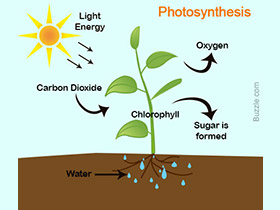
From "Miracle in the Plant Leaves" documentary.
How does the factory in plants work?
1640
From "Miracle in the Plant Leaves" documentary.






 02:28 Videos
 03:24 Videos
 03:46 Videos
 05:26 Videos
 04:32 Videos
 02:16 Videos
 00:32 Videos
 01:10 Videos
 30:16 Videos
 02:25 Videos
 13:53 Videos
 02:09 Videos
 03:04 Videos
 01:44 Videos
 05:05 Videos
 01:59 Videos
 02:44 Videos
 02:19 Videos
 02:11 Videos
 02:31 Videos
 02:00 Videos
 02:31 Videos
 02:04 Videos
 02:20 Videos
 02:41 Videos
This video explores the complex, automated factory-like systems found within plant leaves. Through a microscopic examination, it reveals an intricate network of pipelines, production units, and energy converters that operate with perfect harmony. The complexity and intelligence required for such systems demonstrate Allah's flawless art of creation, as these structures function without a brain or central nervous system.
The leaf contains a complex, automated food factory with specialized chambers and pipelines that function with perfect harmony. This level of design, operating without a central brain, clearly showcases the superior wisdom and art of creation of Allah.
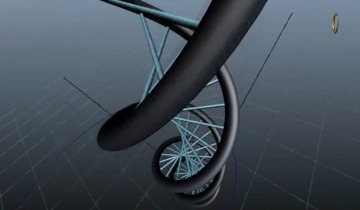
These pipelines form an intricate network that transports water and nutrients to all parts of the plant. Furthermore, they serve as a structural skeleton, providing support in a way that combines plumbing and load-bearing functions into a single efficient system.
Plants lack a central nervous system or a brain to coordinate their functions, yet all their cells and tissues operate in perfect cooperation. This independent yet harmonious activity across different parts of the plant confirms that the entire system is the product of Allah's infinite knowledge.
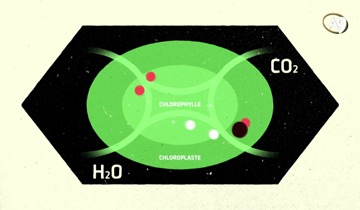
A leaf contains advanced production and storage facilities for chemical substances, energy plants that convert solar energy into sugar, and sophisticated ventilation centers. It also utilizes powerful communication and security systems to manage its vital operations.
This video explores the complex, automated factory-like systems found within plant leaves. Through a microscopic examination, it reveals an intricate network of pipelines, production units, and energy converters that operate with perfect harmony. The complexity and intelligence required for such systems demonstrate Allah's flawless art of creation, as these structures function without a brain or central nervous system.
The leaf contains a complex, automated food factory with specialized chambers and pipelines that function with perfect harmony. This level of design, operating without a central brain, clearly showcases the superior wisdom and art of creation of Allah.
These pipelines form an intricate network that transports water and nutrients to all parts of the plant. Furthermore, they serve as a structural skeleton, providing support in a way that combines plumbing and load-bearing functions into a single efficient system.
Plants lack a central nervous system or a brain to coordinate their functions, yet all their cells and tissues operate in perfect cooperation. This independent yet harmonious activity across different parts of the plant confirms that the entire system is the product of Allah's infinite knowledge.
A leaf contains advanced production and storage facilities for chemical substances, energy plants that convert solar energy into sugar, and sophisticated ventilation centers. It also utilizes powerful communication and security systems to manage its vital operations.

Install the app
Tap the share button , then select "Add to Home Screen".