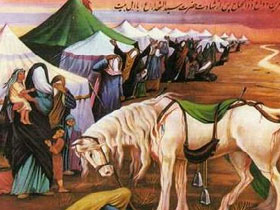
Hazrat Umar (ra)
37578






 03:47 Videos
 01:50 Videos
 11:17 Videos
 01:29 Videos
 03:28 Videos
 04:33 Videos
 09:08 Videos
 03:16 Videos
 01:26 Videos
 05:41 Videos
 02:24 Videos
 06:34 Videos
 51:21 Videos
 05:26 Videos
 01:34 Videos
 03:48 Videos
 03:33 Videos
 02:04 Videos
 04:58 Videos
 04:06 Videos
01:44 Videos
04:06 Videos
01:44 Videos
 06:23 Videos
 05:01 Videos
 03:28 Videos
 05:37 Videos
This video examines the life, leadership, and moral character of Hazrat Umar (ra), the second caliph of the Prophet Muhammad. It details his conversion to Islam, his unwavering commitment to Qur'anic values, and his establishment of a just administrative system that expanded across vast territories. Viewers will learn about his unique administrative contributions, including the establishment of the Hijri calendar and his exemplary approach to religious tolerance and social welfare.
The title Farooq, given by the Prophet Muhammad, signifies one who distinguishes between truth and superstition or good and evil. It reflects his life-long dedication to following the injunctions of the Qur'an and the Sunnah with absolute clarity and resolve.
He upheld justice by refusing to allow factors like descent, wealth, or status to influence legal decisions. He maintained a deep sense of personal responsibility, once stating he would hold himself accountable for even the smallest oversight within his vast territories.
The conquest of Jerusalem marked a milestone where Hazrat Umar displayed extraordinary kindness toward other faiths. He ensured that places of worship were protected and that followers of different religions lived together in peace and tranquility for centuries.
He established the Hijri calendar, founded the first census, created a municipal weights and measures institution to prevent trade fraud, and appointed judges independent of governors. He also initiated state-funded social welfare for children and the needy.
This video examines the life, leadership, and moral character of Hazrat Umar (ra), the second caliph of the Prophet Muhammad. It details his conversion to Islam, his unwavering commitment to Qur'anic values, and his establishment of a just administrative system that expanded across vast territories. Viewers will learn about his unique administrative contributions, including the establishment of the Hijri calendar and his exemplary approach to religious tolerance and social welfare.
The title Farooq, given by the Prophet Muhammad, signifies one who distinguishes between truth and superstition or good and evil. It reflects his life-long dedication to following the injunctions of the Qur'an and the Sunnah with absolute clarity and resolve.
He upheld justice by refusing to allow factors like descent, wealth, or status to influence legal decisions. He maintained a deep sense of personal responsibility, once stating he would hold himself accountable for even the smallest oversight within his vast territories.
The conquest of Jerusalem marked a milestone where Hazrat Umar displayed extraordinary kindness toward other faiths. He ensured that places of worship were protected and that followers of different religions lived together in peace and tranquility for centuries.
He established the Hijri calendar, founded the first census, created a municipal weights and measures institution to prevent trade fraud, and appointed judges independent of governors. He also initiated state-funded social welfare for children and the needy.

Install the app
Tap the share button , then select "Add to Home Screen".