logo HARUN YAHYA
  • Home
  • All Works
  • Books
  • Articles
  • Horizontal Vertical
  • Voices
  • Images
  • Quotes
  • Other
  • Home
  • All Works
  • Books
  • Articles
  • Horizontal Vertical
  • Voices
  • Images
  • Quotes
  • Other
logo HARUN YAHYA
  • All Works
  • Books
  • Articles
  • Videos — Horizontal
  • Videos — Vertical
  • Voices
  • Images
  • Quotes
  • Other
  • Documentaries
  • Mahdi, Jesus And The End Times
  • Collapse Of The Theory Of Evolution
  • Signs Leading To Faith And Miracle Of Creation
  • People Of The Book And Prophets
  • Turkish Islamic Union
  • Outlook To Other Faith And Philosophies
  • The Secret Beyond Matter
  • Harun Yahya And Influences
  • International Conferences
  • Scientists Talk About Creation
  • What Did They Say For Evolution?
  • Genuine Ataturkism
  • Justice for All
  • Interviews Of A9 Tv
  • Q&A
  • Pleasant Thoughts
  • History, Politics And Strategy
  • Morality Of The Qur'An And Deep Thinking
Videos H. E. Amb. Katalin Bogyay, Permanent Delegate of Hungary to UNESCO, Pr...
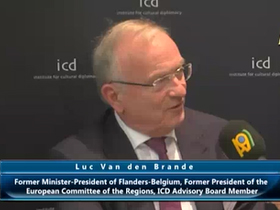
Luc Van den Brande, Former Minister-President of Flanders-Belgium, Former President of the European Committee of the Regions, ICD Advisory Board Member Luc Van den Brande, Former Minister-President of Flanders-Belgium, Former President of the European Committee of the Regions, ICD Advisory Board Member Ögmundur Jonasson, Former Minister of the Interior of Iceland, Former Minister of Justice & Human Rights, Member of the Parliamentary Assembly of the Council of Europe (PACE), President of the ICD Program for Human Rights Ögmundur Jonasson, Former Minister of the Interior of Iceland, Former Minister of Justice & Human Rights, Member of the Parliamentary Assembly of the Council of Europe (PACE), President of the ICD Program for Human Rights Prof. Nazar Al Baharna, Former Minister of State for Foreign Affairs of Bahrain, Former Dean of Engineering at Bahrain University, Visiting Research Scholar at Georgetown University, ICD Advisory Board Member Prof. Nazar Al Baharna, Former Minister of State for Foreign Affairs of Bahrain, Former Dean of Engineering at Bahrain University, Visiting Research Scholar at Georgetown University, ICD Advisory Board Member Prof. Enver Halilovic, Rector of University of Tuzla, Former Bosnia Ambassador to Russia Prof. Enver Halilovic, Rector of University of Tuzla, Former Bosnia Ambassador to Russia Prof. Dr. Dragan Domazet, Rector and Founder of Belgrade Metropolitan University, Former Minister of Science of the Republic of Serbia Prof. Dr. Dragan Domazet, Rector and Founder of Belgrade Metropolitan University, Former Minister of Science of the Republic of Serbia President Petru Lucinschi, Former President of Republic of Moldova President Petru Lucinschi, Former President of Republic of Moldova President Vaira Vike Freiberga, Former President of Latvia President Vaira Vike Freiberga, Former President of Latvia Heidi Maria Mautionmaa, Journalist from Finland Heidi Maria Mautionmaa, Journalist from Finland Floriane Hohenberg, The Head of ODIHR’s Tolerance and Non-discrimination Department Organization for Security and Cooperation in Europe (OSCE) Floriane Hohenberg, The Head of ODIHR’s Tolerance and Non-discrimination Department Organization for Security and Cooperation in Europe (OSCE) Jean – Paul Adam, Minister For Foreign Affairs – The Republic of Seychelles Jean – Paul Adam, Minister For Foreign Affairs – The Republic of Seychelles Mustafa Kamil Alfalahi, Political Analyst, Iraq Mustafa Kamil Alfalahi, Political Analyst, Iraq Dr. Rupert Graf Strachwitz, Political Scientist and Historian, The Director of The Maecenata Institute, Humboldt University, Berlin Dr. Rupert Graf Strachwitz, Political Scientist and Historian, The Director of The Maecenata Institute, Humboldt University, Berlin
00:00
Subtitles
Off
English (generated automatically)
00:00/00:00

H. E. Amb. Katalin Bogyay, Permanent Delegate of Hungary to UNESCO, President of the General Conference of UNESCO

60036 January 16, 2014
History, Politics And Strategy Leaders And Thinkers Discuss Peace, Religion And Politics

Turkey the Leader Country
Neither the United States nor the Europe. Merely Turkey will grow Articles
Neither the United States nor the Europe. Merely Turkey will grow
More Than Friends: The Russia, Turkey Relationship Articles
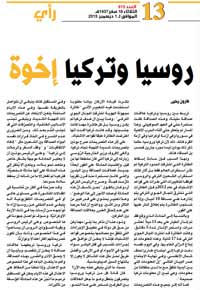
More Than Friends: The Russia, Turkey Relationship
Turkey is now a world star Articles
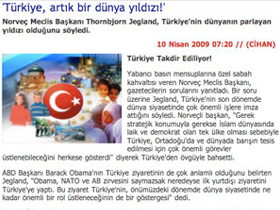
Turkey is now a world star
Italian Professor: Istanbul will be the capital city of EU… Articles
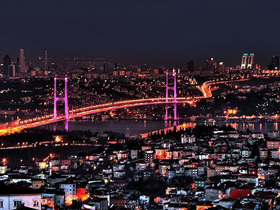
Italian Professor: Istanbul will be the capital city of EU…
Kashmir also lays its hope in Turkey Articles
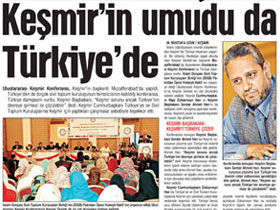
Kashmir also lays its hope in Turkey
In the next decade Turkey will be the strongest country of Europe Articles
In the next decade Turkey will be the strongest country of Europe
SHARE
Facebook
X
WhatsApp
Telegram
QR Code
Embed
QR Code

Embed

Downloads
mp3 mp4
Luc Van den Brande, Former Minister-President of Flanders-Belgium, Former President of the European Committee of the Regions, ICD Advisory Board Member 06:17 Videos
Luc Van den Brande, Former Minister-President of Flanders-Belgium, Former President of the European Committee of the Regions, ICD Advisory Board Member
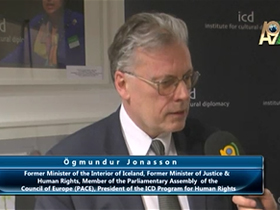
Ögmundur Jonasson, Former Minister of the Interior of Iceland, Former Minister of Justice & Human Rights, Member of the Parliamentary Assembly of the Council of Europe (PACE), President of the ICD Program for Human Rights 02:45 Videos
Ögmundur Jonasson, Former Minister of the Interior of Iceland, Former Minister of Justice & Human Rights, Member of the Parliamentary Assembly of the Council of Europe (PACE), President of the ICD Program for Human Rights
Prof. Nazar Al Baharna, Former Minister of State for Foreign Affairs of Bahrain, Former Dean of Engineering at Bahrain University, Visiting Research Scholar at Georgetown University, ICD Advisory Board Member 07:33 Videos
Prof. Nazar Al Baharna, Former Minister of State for Foreign Affairs of Bahrain, Former Dean of Engineering at Bahrain University, Visiting Research Scholar at Georgetown University, ICD Advisory Board Member
Prof. Enver Halilovic, Rector of University of Tuzla, Former Bosnia Ambassador to Russia 02:33 Videos
Prof. Enver Halilovic, Rector of University of Tuzla, Former Bosnia Ambassador to Russia
Prof. Dr. Dragan Domazet, Rector and Founder of Belgrade Metropolitan University, Former Minister of Science of the Republic of Serbia 02:39 Videos
Prof. Dr. Dragan Domazet, Rector and Founder of Belgrade Metropolitan University, Former Minister of Science of the Republic of Serbia
President Petru Lucinschi, Former President of Republic of Moldova 07:07 Videos
President Petru Lucinschi, Former President of Republic of Moldova
President Vaira Vike Freiberga, Former President of Latvia 04:42 Videos
President Vaira Vike Freiberga, Former President of Latvia
Heidi Maria Mautionmaa, Journalist from Finland 00:56 Videos
Heidi Maria Mautionmaa, Journalist from Finland
Floriane Hohenberg, The Head of ODIHR’s Tolerance and Non-discrimination Department Organization for Security and Cooperation in Europe (OSCE) 01:13 Videos
Floriane Hohenberg, The Head of ODIHR’s Tolerance and Non-discrimination Department Organization for Security and Cooperation in Europe (OSCE)
Jean – Paul Adam, Minister For Foreign Affairs – The Republic of Seychelles 04:00 Videos
Jean – Paul Adam, Minister For Foreign Affairs – The Republic of Seychelles
Mustafa Kamil Alfalahi, Political Analyst, Iraq 08:36 Videos
Mustafa Kamil Alfalahi, Political Analyst, Iraq
Dr. Rupert Graf Strachwitz, Political Scientist and Historian, The Director of The Maecenata Institute, Humboldt University, Berlin 01:33 Videos
Dr. Rupert Graf Strachwitz, Political Scientist and Historian, The Director of The Maecenata Institute, Humboldt University, Berlin
Prof. Dr. Lester M. Salamon, Director of the Johns Hopkins Center for Civil Society Studies, USA 03:11 Videos
Prof. Dr. Lester M. Salamon, Director of the Johns Hopkins Center for Civil Society Studies, USA
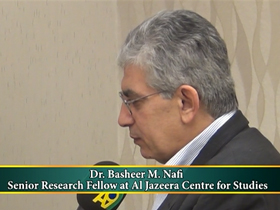
Dr. Basheer M. Nafi, Historian, Senior Research Fellow at Al Jazeera Centre for Studies 01:19 Videos
Dr. Basheer M. Nafi, Historian, Senior Research Fellow at Al Jazeera Centre for Studies
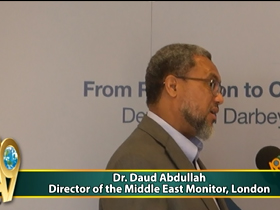
Dr. Daud Abdullah, Director of the Middle East Monitor, London 03:01 Videos
Dr. Daud Abdullah, Director of the Middle East Monitor, London
Osama Farid, Vice Chairman of the Egyptian Business Development Association (EBDA), Egypt 02:18 Videos
Osama Farid, Vice Chairman of the Egyptian Business Development Association (EBDA), Egypt
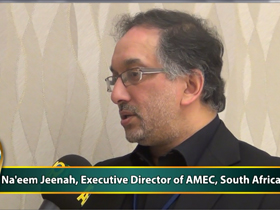
Na’eem Jeenah, Executive Director of AMEC, South Africa 04:03 Videos
Na’eem Jeenah, Executive Director of AMEC, South Africa
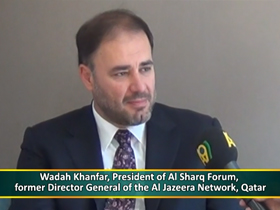
Wadah Khanfar, President of Al Sharq Forum, Former Director General of the Al Jazeera Network, Quatar 03:55 Videos
Wadah Khanfar, President of Al Sharq Forum, Former Director General of the Al Jazeera Network, Quatar
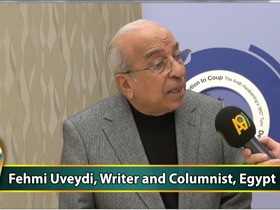
Fehmi Uveydi, Writer and Columnist, Egypt 01:00 Videos
Fehmi Uveydi, Writer and Columnist, Egypt
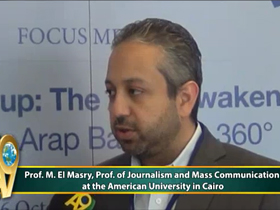
Prof. M. El Masry, Prof. of Journalism and Mass Communication at the American University in Cairo 00:59 Videos
Prof. M. El Masry, Prof. of Journalism and Mass Communication at the American University in Cairo
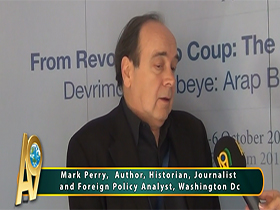
Mark Perry, Author, Historian, Journalist and Foreign Policy Analyst, Washington Dc 01:49 Videos
Mark Perry, Author, Historian, Journalist and Foreign Policy Analyst, Washington Dc
Peter Oborne, the Chief Political Commentator of the Daily Telegraph, London 01:17 Videos
Peter Oborne, the Chief Political Commentator of the Daily Telegraph, London
Azzam Tamimi, Chairman of Al Hiwar Tv Channel, London 02:43 Videos
Azzam Tamimi, Chairman of Al Hiwar Tv Channel, London
Mark Perry, Author, Historian, Journalist and Foreign Policy Analyst, Washington Dc. 01:49 Videos
Mark Perry, Author, Historian, Journalist and Foreign Policy Analyst, Washington Dc.
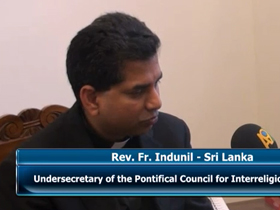
Rev.Fr.Indunil, Undersecretary of the Pontifical Council for Interreligious Dialogue, Sri Lanka 04:21 Videos
Rev.Fr.Indunil, Undersecretary of the Pontifical Council for Interreligious Dialogue, Sri Lanka
This video features H.E. Amb. Katalin Bogyay, who outlines the critical importance of education and cultural diplomacy in fostering global peace and security. She emphasizes that understanding one's own cultural identity is the foundation for appreciating the diversity of others and overcoming fear. The discussion highlights that interfaith and interreligious dialogue are essential components of these diplomatic efforts, promoting harmony across nations and belief systems.

  • Education serves as the essential foundation for individuals to understand their own identity and foster openness toward other cultures.
  • Interfaith and interreligious dialogue are vital components of intercultural cooperation, helping to counteract extremism and political instability.
  • Global interconnectedness requires a new planetary consciousness where differences are viewed as sources of inspiration rather than burdens.
  • Turkey and Hungary maintain strong collaborative ties, particularly within the framework of UNESCO initiatives.
How does education contribute to peace and international understanding? +

Education provides the foundation for self-knowledge and cultural identity. By understanding their own background, individuals become more confident and less fearful, allowing them to engage with and appreciate other cultures as sources of inspiration rather than threats.

Why is interfaith dialogue essential in modern diplomacy? +

Many global conflicts are rooted in a lack of understanding or the misuse of faith for political extremism. Engaging in interreligious dialogue helps bridge these gaps, fostering harmony and mutual respect without requiring individuals to abandon their own religious beliefs.

What is the significance of the interconnectedness of nations? +

The world is so closely linked today that no nation or culture acts in isolation. Every action influences others, making it an imperative to foster cooperation, shared values, and a collective consciousness to ensure a stable and secure future for all.

How do UNESCO programs combat global extremism? +

UNESCO utilizes competence building, international conventions, and educational programs to address the root causes of extremism. By providing hope and knowledge, these initiatives encourage individuals to become more conscious citizens capable of building bridges between different minds.

Summary

This video features H.E. Amb. Katalin Bogyay, who outlines the critical importance of education and cultural diplomacy in fostering global peace and security. She emphasizes that understanding one's own cultural identity is the foundation for appreciating the diversity of others and overcoming fear. The discussion highlights that interfaith and interreligious dialogue are essential components of these diplomatic efforts, promoting harmony across nations and belief systems.

Key Takeaways

  • Education serves as the essential foundation for individuals to understand their own identity and foster openness toward other cultures.
  • Interfaith and interreligious dialogue are vital components of intercultural cooperation, helping to counteract extremism and political instability.
  • Global interconnectedness requires a new planetary consciousness where differences are viewed as sources of inspiration rather than burdens.
  • Turkey and Hungary maintain strong collaborative ties, particularly within the framework of UNESCO initiatives.

Frequently Asked Questions

How does education contribute to peace and international understanding?

Education provides the foundation for self-knowledge and cultural identity. By understanding their own background, individuals become more confident and less fearful, allowing them to engage with and appreciate other cultures as sources of inspiration rather than threats.

Why is interfaith dialogue essential in modern diplomacy?

Many global conflicts are rooted in a lack of understanding or the misuse of faith for political extremism. Engaging in interreligious dialogue helps bridge these gaps, fostering harmony and mutual respect without requiring individuals to abandon their own religious beliefs.

What is the significance of the interconnectedness of nations?

The world is so closely linked today that no nation or culture acts in isolation. Every action influences others, making it an imperative to foster cooperation, shared values, and a collective consciousness to ensure a stable and secure future for all.

How do UNESCO programs combat global extremism?

UNESCO utilizes competence building, international conventions, and educational programs to address the root causes of extremism. By providing hope and knowledge, these initiatives encourage individuals to become more conscious citizens capable of building bridges between different minds.

Telif Hakkı © 2026 Gizlilik Politikası Kullanım Koşulları Contact