Fossil Hunter 3 Mugla Museum
2060






 34:14 Videos
 03:48 Videos
 01:36 Videos
 02:07 Videos
 01:21 Videos
 01:17 Videos
 01:37 Videos
 01:21 Videos
 13:46 Videos
 19:16 Videos
 00:55 Videos
 04:37 Videos
 04:17 Videos
 02:58 Videos
 30:59 Videos
 03:00 Videos
 01:03:33 Videos
 02:40 Videos
 03:20 Videos
 04:10 Videos
 01:50 Videos
 02:24 Videos
 51:21 Videos
 12:28 Videos
 01:35 Videos
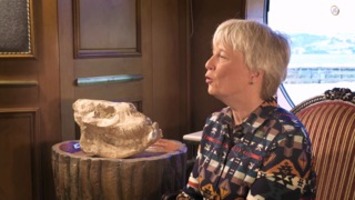
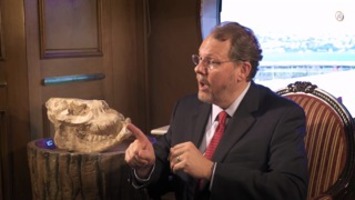
This video explores the Mugla Museum in Turkey, showcasing a rich collection of mammal fossils dating back millions of years. By examining the remains of rhinos, horses, and elephants, the video provides evidence that living beings have remained unchanged throughout history, demonstrating the flawless art of creation by Allah.
The fossil record shows that animals like rhinos and horses have remained physically unchanged for millions of years. This stability contradicts claims of transformation and provides clear evidence that species were created in their perfect, original form by Allah.
The horse possesses specific physical traits, such as a back structure designed for human comfort and muscle-based leg attachments for shock absorption. These features demonstrate that the animal was meticulously endowed with traits suited for its role as a blessing to humanity.
Rhino fossils from millions of years ago exhibit the exact same physical characteristics as the rhinos observed today. This lack of difference confirms that these creatures were brought into existence with all their specific features intact from the beginning.
The elephant's trunk is a highly complex structure containing 150,000 different muscles. It allows the animal to perform delicate tasks, lift heavy weights, and communicate, showcasing a level of intricate design that indicates a deliberate and purposeful act of creation.
This video explores the Mugla Museum in Turkey, showcasing a rich collection of mammal fossils dating back millions of years. By examining the remains of rhinos, horses, and elephants, the video provides evidence that living beings have remained unchanged throughout history, demonstrating the flawless art of creation by Allah.
The fossil record shows that animals like rhinos and horses have remained physically unchanged for millions of years. This stability contradicts claims of transformation and provides clear evidence that species were created in their perfect, original form by Allah.
The horse possesses specific physical traits, such as a back structure designed for human comfort and muscle-based leg attachments for shock absorption. These features demonstrate that the animal was meticulously endowed with traits suited for its role as a blessing to humanity.
Rhino fossils from millions of years ago exhibit the exact same physical characteristics as the rhinos observed today. This lack of difference confirms that these creatures were brought into existence with all their specific features intact from the beginning.
The elephant's trunk is a highly complex structure containing 150,000 different muscles. It allows the animal to perform delicate tasks, lift heavy weights, and communicate, showcasing a level of intricate design that indicates a deliberate and purposeful act of creation.

Install the app
Tap the share button , then select "Add to Home Screen".