Dr. Richard Hellman - Founder of CIPAC / USA
31570






 02:00 Videos
 01:57 Videos
 01:01 Videos
 01:09 Videos
 01:43 Videos
 01:19 Videos
 06:48 Videos
 01:53 Videos
 01:58 Videos
 01:36 Videos
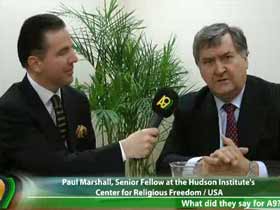 08:06 Videos
 02:52 Videos
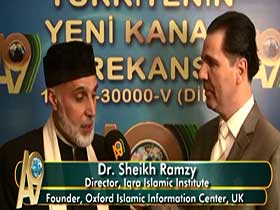 02:54 Videos
 06:46 Videos
 00:53 Videos
 00:15 Videos
 02:29 Videos
 01:51 Videos
 02:27 Videos
 02:13 Videos
 03:00 Videos
 24:51 Videos
 09:24 Videos
 01:03 Videos
 02:26 Videos
In this video, Dr. Richard Hellman, founder of CIPAC, discusses the imperative for peace and interfaith cooperation. He emphasizes that different faiths share core values and common roots, urging a shift from mere tolerance to active love for one's neighbor. The video highlights Turkey's unique role as a constructive catalyst for fostering unity and eradicating bigotry in the region.
Peace-making is viewed as a sacred responsibility, as demonstrated by the teachings of the prophets and historical scripture which call upon believers to reason together and seek common ground.
True harmony is achieved by shifting from simple coexistence to actively loving one's neighbor, as reflected in the moral lessons of the scriptures which prioritize compassion and care for the persecuted.
Turkey acts as a key catalyst for constructive change by actively working to eradicate bigotry and radicalism while serving as a bridge to bring different nations and faiths together.
Major world religions hold the belief that a new, peaceful golden age is approaching, where the conflicts and challenges presently seen in the world will no longer exist.
In this video, Dr. Richard Hellman, founder of CIPAC, discusses the imperative for peace and interfaith cooperation. He emphasizes that different faiths share core values and common roots, urging a shift from mere tolerance to active love for one's neighbor. The video highlights Turkey's unique role as a constructive catalyst for fostering unity and eradicating bigotry in the region.
Peace-making is viewed as a sacred responsibility, as demonstrated by the teachings of the prophets and historical scripture which call upon believers to reason together and seek common ground.
True harmony is achieved by shifting from simple coexistence to actively loving one's neighbor, as reflected in the moral lessons of the scriptures which prioritize compassion and care for the persecuted.
Turkey acts as a key catalyst for constructive change by actively working to eradicate bigotry and radicalism while serving as a bridge to bring different nations and faiths together.
Major world religions hold the belief that a new, peaceful golden age is approaching, where the conflicts and challenges presently seen in the world will no longer exist.

Install the app
Tap the share button , then select "Add to Home Screen".