


Embed
31:15 Videos
01:52 Videos
37:54 Videos
04:03 Videos
03:17 Videos
01:49 Videos
00:27 Videos
00:54 Videos
02:53 Videos
05:23 Videos
30:43 Videos
41:22 Videos
42:43 Videos
23:48 Videos
02:11 Videos
04:42 Videos
03:25 Videos
01:50 Videos
34:14 Videos
51:21 Videos
12:28 Videos
01:35 Videos
03:48 Videos
02:04 Videos
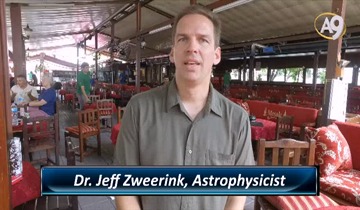
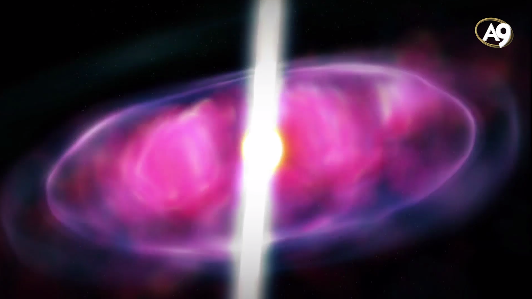
This video explores the physical concept of zero volume through the work of physicists Stephen Hawking and Roger Penrose. It discusses how their space-time theorems identify a singularity where the known laws of physics break down. Ultimately, this evidence is presented as a scientific indication that the universe had a distinct beginning.
- The concept of a singularity arises when tracing particle trajectories back to a single point.
- At the point of a singularity, the laws of physics as currently understood cease to function.
- The breakdown of physical laws at this point serves as a powerful indicator that the universe had a definite beginning created by Allah.
What is a singularity in the context of astrophysics? +
A singularity is a point where the trajectories of particles in space and time coalesce. At this juncture, the established laws of physics break down and are no longer applicable.
What do Hawking and Penrose's space-time theorems reveal about the universe? +
These theorems demonstrate that when tracking the history of the universe back in time, all paths converge at a singularity. This convergence suggests that the universe did not exist eternally but had a specific moment of origin.
Why does the breakdown of physics imply a beginning? +
The fact that physical laws stop functioning at the point of singularity suggests an external cause for the universe. It points to a moment where space, time, and matter were brought into existence through Allah's art of creation.
How does the concept of zero volume relate to the start of the universe? +
Zero volume represents the state of the singularity before the expansion of space-time. It signifies that the physical universe had an absolute beginning, refuting claims of an eternal or self-creating cosmos.
Summary
This video explores the physical concept of zero volume through the work of physicists Stephen Hawking and Roger Penrose. It discusses how their space-time theorems identify a singularity where the known laws of physics break down. Ultimately, this evidence is presented as a scientific indication that the universe had a distinct beginning.
Key Takeaways
- The concept of a singularity arises when tracing particle trajectories back to a single point.
- At the point of a singularity, the laws of physics as currently understood cease to function.
- The breakdown of physical laws at this point serves as a powerful indicator that the universe had a definite beginning created by Allah.
Frequently Asked Questions
What is a singularity in the context of astrophysics?
A singularity is a point where the trajectories of particles in space and time coalesce. At this juncture, the established laws of physics break down and are no longer applicable.
What do Hawking and Penrose's space-time theorems reveal about the universe?
These theorems demonstrate that when tracking the history of the universe back in time, all paths converge at a singularity. This convergence suggests that the universe did not exist eternally but had a specific moment of origin.
Why does the breakdown of physics imply a beginning?
The fact that physical laws stop functioning at the point of singularity suggests an external cause for the universe. It points to a moment where space, time, and matter were brought into existence through Allah's art of creation.
How does the concept of zero volume relate to the start of the universe?
Zero volume represents the state of the singularity before the expansion of space-time. It signifies that the physical universe had an absolute beginning, refuting claims of an eternal or self-creating cosmos.