

Embed
31:15 Videos
01:52 Videos
37:54 Videos
03:21 Videos
04:03 Videos
02:05 Videos
01:49 Videos
01:32 Videos
02:39 Videos
00:47 Videos
24:01 Videos
31:40 Videos
12:07 Videos
01:50 Videos
26:09 Videos
01:29 Videos
34:14 Videos
02:14 Videos
02:27 Videos
01:05 Videos
01:26 Videos
05:08 Videos
05:41 Videos
03:09 Videos
00:58 Videos
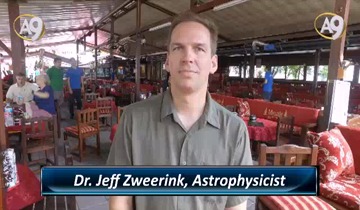
This video explores the critical role the moon plays in making Earth hospitable for life. It explains how the moon's gravitational influence stabilizes the rotation axis and drives tectonic activity, which is necessary to maintain the planet's water. Through this, the video illustrates Allah's artistry in creation, showing that the delicate balance of planetary systems is essential for life.
- The moon stabilizes the rotation axis of Earth, which is a vital condition for larger organisms.
- Gravitational interactions between the Earth, sun, and moon generate heat that drives plate tectonic activity.
- Tectonic activity is necessary to retain liquid water on a planet, preventing it from disappearing over time.
- The intricate design of planetary systems demonstrates Allah's artistry in creation in sustaining life.
How does the moon contribute to the stability of life on Earth? +
The moon stabilizes the rotation axis of the Earth. This stability is a necessary condition for the existence of larger, complex living organisms.
What is the relationship between the moon and the tectonic activity of the Earth? +
The gravitational tug occurring between the Earth, the sun, and the moon provides the necessary heat to drive plate tectonic activity within the interior of the Earth.
Why is tectonic activity essential for maintaining water on a planet? +
Tectonic activity is critical for keeping water on a planet's surface. When such activity ceases, as observed on Mars, the planet's water tends to disappear, rendering it unable to host life.
How does the existence of the moon reflect Allah's artistry in creation? +
The precise and purposeful placement of the moon is evidence of Allah's artistry in creation. Every feature, from its size to its gravitational pull, is perfectly balanced to sustain the vital conditions required for life on Earth.
Summary
This video explores the critical role the moon plays in making Earth hospitable for life. It explains how the moon's gravitational influence stabilizes the rotation axis and drives tectonic activity, which is necessary to maintain the planet's water. Through this, the video illustrates Allah's artistry in creation, showing that the delicate balance of planetary systems is essential for life.
Key Takeaways
- The moon stabilizes the rotation axis of Earth, which is a vital condition for larger organisms.
- Gravitational interactions between the Earth, sun, and moon generate heat that drives plate tectonic activity.
- Tectonic activity is necessary to retain liquid water on a planet, preventing it from disappearing over time.
- The intricate design of planetary systems demonstrates Allah's artistry in creation in sustaining life.
Frequently Asked Questions
How does the moon contribute to the stability of life on Earth?
The moon stabilizes the rotation axis of the Earth. This stability is a necessary condition for the existence of larger, complex living organisms.
What is the relationship between the moon and the tectonic activity of the Earth?
The gravitational tug occurring between the Earth, the sun, and the moon provides the necessary heat to drive plate tectonic activity within the interior of the Earth.
Why is tectonic activity essential for maintaining water on a planet?
Tectonic activity is critical for keeping water on a planet's surface. When such activity ceases, as observed on Mars, the planet's water tends to disappear, rendering it unable to host life.
How does the existence of the moon reflect Allah's artistry in creation?
The precise and purposeful placement of the moon is evidence of Allah's artistry in creation. Every feature, from its size to its gravitational pull, is perfectly balanced to sustain the vital conditions required for life on Earth.