




Embed
09:08 Videos
31:15 Videos
12:28 Videos
01:52 Videos
10:45 Videos
37:54 Videos
00:59 Videos
01:24 Videos
01:30 Videos
03:21 Videos
02:05 Videos
03:17 Videos
24:01 Videos
01:54 Videos
HD 02:39 Videos
01:50 Videos
30:02 Videos
26:09 Videos
01:29 Videos
34:14 Videos
02:14 Videos
02:27 Videos
01:05 Videos
01:26 Videos
05:08 Videos
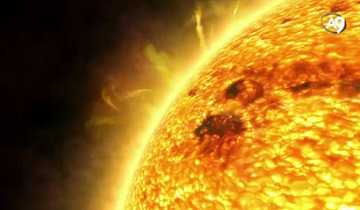
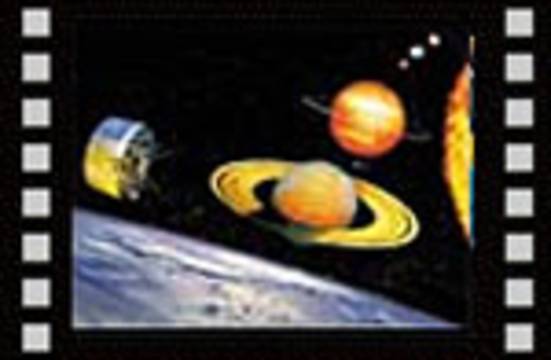
This video examines the unique and precise structure of our solar system, highlighting that no other planetary system discovered so far matches the conditions necessary for life. It explains that each planet, along with the Sun and the Moon, is endowed with specific characteristics essential for human existence. The evidence reveals that this intricate balance is not coincidental but a manifestation of Allah's artistry in creation.
- Every planet in our solar system is endowed with precise size and orbital characteristics that are critical for life on Earth.
- Astronomical research has yet to find a twin of our Sun or a planetary system that replicates the conditions of our own.
- The Moon plays a vital role by regulating orbital dynamics and resonance, further proving Allah's flawless design.
- The complexity and fine-tuned nature of the planetary system serve as a clear sign of Allah's artistry in creation.
Why is it significant that astronomers have yet to find a twin of our Sun? +
It is significant because advanced life requires a star with the exact characteristics of the Sun. Despite decades of searching, no such twin has been discovered, highlighting the unique conditions required for human life.
What role do the gas giant planets play in the habitability of Earth? +
Every planet in our system, including gas giants like Jupiter and Saturn, is created with the exact mass and orbit necessary to maintain the environment on Earth. Their specific placement and size are essential components of the overall stability that allows life to exist.
How does the Moon contribute to the stability of the solar system? +
The Moon serves a critical function by breaking up mean motion resonances generated by the gas giant planets. This regulation ensures the planetary dynamics remain suitable for life on Earth.
What does the lack of Earth-like planetary systems imply about the universe? +
The absence of Earth-like twins and suitable planetary systems suggests that our solar system is not a common occurrence but a specifically designed environment. This points directly to the deliberate and flawless work of the Creator.
Summary
This video examines the unique and precise structure of our solar system, highlighting that no other planetary system discovered so far matches the conditions necessary for life. It explains that each planet, along with the Sun and the Moon, is endowed with specific characteristics essential for human existence. The evidence reveals that this intricate balance is not coincidental but a manifestation of Allah's artistry in creation.
Key Takeaways
- Every planet in our solar system is endowed with precise size and orbital characteristics that are critical for life on Earth.
- Astronomical research has yet to find a twin of our Sun or a planetary system that replicates the conditions of our own.
- The Moon plays a vital role by regulating orbital dynamics and resonance, further proving Allah's flawless design.
- The complexity and fine-tuned nature of the planetary system serve as a clear sign of Allah's artistry in creation.
Frequently Asked Questions
Why is it significant that astronomers have yet to find a twin of our Sun?
It is significant because advanced life requires a star with the exact characteristics of the Sun. Despite decades of searching, no such twin has been discovered, highlighting the unique conditions required for human life.
What role do the gas giant planets play in the habitability of Earth?
Every planet in our system, including gas giants like Jupiter and Saturn, is created with the exact mass and orbit necessary to maintain the environment on Earth. Their specific placement and size are essential components of the overall stability that allows life to exist.
How does the Moon contribute to the stability of the solar system?
The Moon serves a critical function by breaking up mean motion resonances generated by the gas giant planets. This regulation ensures the planetary dynamics remain suitable for life on Earth.
What does the lack of Earth-like planetary systems imply about the universe?
The absence of Earth-like twins and suitable planetary systems suggests that our solar system is not a common occurrence but a specifically designed environment. This points directly to the deliberate and flawless work of the Creator.