





Embed
34:14 Videos
51:21 Videos
12:28 Videos
10:45 Videos
02:07 Videos
01:11 Videos
02:29 Videos
01:24 Videos
01:30 Videos
01:50 Videos
02:20 Videos
01:20 Videos
02:11 Videos
01:50 Videos
30:02 Videos
26:09 Videos
01:29 Videos
02:14 Videos
02:27 Videos
01:05 Videos
01:26 Videos
05:08 Videos
05:41 Videos
03:09 Videos
00:58 Videos
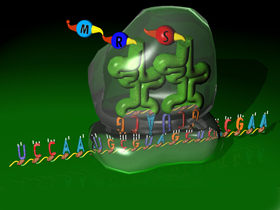
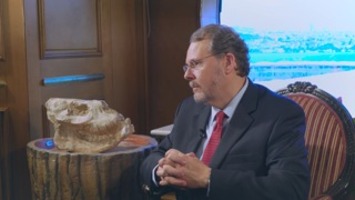
This video features a lecture by Dr. Fazale Rana, who examines the biochemical evidence for the art of creation. By analyzing the complex information systems within cells, such as DNA and proteins, he demonstrates how these structures function like computer code, pointing to a conscious Creator rather than unguided processes.
- Biochemical systems contain complex information stored in DNA, which serves as a powerful evidence of the art of creation.
- The structural organization of cellular information mirrors the principles of human language and computer programming.
- Scientific investigation into the origin of life reveals that only a Creator could be responsible for the sophisticated machinery found in living cells.
How do biochemical systems demonstrate the art of creation? +
Biochemical systems exhibit hallmarks of design, such as information storage in DNA and RNA. Just as human-made devices and languages require an intelligent mind to organize them, the sophisticated molecular alphabets within a cell point to a purposeful Creator.
Why does the presence of information in the cell prove a Creator exists? +
Information is a product of a mind. Whenever one encounters organized data, whether in a text message or a road sign, one concludes a mind is responsible; likewise, the complex genetic code in life signifies a divine architect behind the biological machinery.
What is the connection between Turing machines and DNA replication? +
Turing machines are abstract models that process data through specific controls. Cellular processes like DNA replication mirror this structure, where enzymes act as finite controls manipulating the digital information within DNA, indicating an engineered system rather than random chance.
Why is the materialist view on the origin of life considered inadequate? +
Attempts to explain the origin of life through strictly chemical and physical processes have failed. The extreme ingenuity and sophistication of biological systems cannot be accounted for by mechanistic theories, leading to the conclusion that life is the work of a Creator.
Summary
This video features a lecture by Dr. Fazale Rana, who examines the biochemical evidence for the art of creation. By analyzing the complex information systems within cells, such as DNA and proteins, he demonstrates how these structures function like computer code, pointing to a conscious Creator rather than unguided processes.
Key Takeaways
- Biochemical systems contain complex information stored in DNA, which serves as a powerful evidence of the art of creation.
- The structural organization of cellular information mirrors the principles of human language and computer programming.
- Scientific investigation into the origin of life reveals that only a Creator could be responsible for the sophisticated machinery found in living cells.
Frequently Asked Questions
How do biochemical systems demonstrate the art of creation?
Biochemical systems exhibit hallmarks of design, such as information storage in DNA and RNA. Just as human-made devices and languages require an intelligent mind to organize them, the sophisticated molecular alphabets within a cell point to a purposeful Creator.
Why does the presence of information in the cell prove a Creator exists?
Information is a product of a mind. Whenever one encounters organized data, whether in a text message or a road sign, one concludes a mind is responsible; likewise, the complex genetic code in life signifies a divine architect behind the biological machinery.
What is the connection between Turing machines and DNA replication?
Turing machines are abstract models that process data through specific controls. Cellular processes like DNA replication mirror this structure, where enzymes act as finite controls manipulating the digital information within DNA, indicating an engineered system rather than random chance.
Why is the materialist view on the origin of life considered inadequate?
Attempts to explain the origin of life through strictly chemical and physical processes have failed. The extreme ingenuity and sophistication of biological systems cannot be accounted for by mechanistic theories, leading to the conclusion that life is the work of a Creator.