










Embed
01:37 Videos
02:09 Videos
01:40 Videos
01:27 Videos
01:41 Videos
03:00 Videos
02:11 Videos
01:41 Videos
01:53 Videos
02:03 Videos
01:38 Videos
01:34 Videos
02:53 Videos
02:00 Videos
HD 07:25 Videos
11:07 Videos
03:25 Videos
03:47 Videos
11:10 Videos
02:45 Videos
04:14 Videos
04:42 Videos
02:42 Videos
01:24 Videos
HD 01:35 Videos
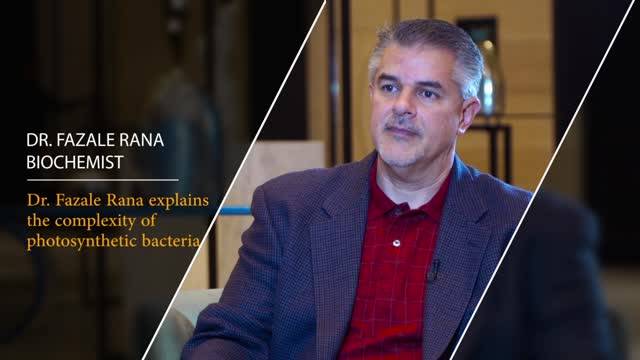
This video examines the fascinating biological phenomenon of bioluminescence, where bacteria and other organisms produce light through complex internal chemical processes. It highlights that such intricate mechanisms reflect the flawless artistry of the Creator rather than random processes. The video emphasizes that the inherent beauty in the world is designed for human appreciation as a means to glorify the Creator.
- Bioluminescence in bacteria is a profound manifestation of Allah's artistry in creation.
- The existence of beauty in the universe serves as evidence of a purposeful Creator.
- Humans are uniquely endowed with the capacity to perceive and appreciate beauty to honor Allah.
- The production of light by organisms lacking eyes or a nervous system underscores the flawless design inherent in all living things.
What is bioluminescence in the context of biological design? +
Bioluminescence is the process by which living organisms, such as bacteria, convert energy into light through intricate molecular and electronic processes. It represents a complex and elegant feature granted by Allah that serves as a profound example of His flawless design.
Why does the beauty of the natural world serve as evidence of a Creator? +
If the world were merely the result of undirected processes, there would be no reason to expect it to be inherently beautiful or for humans to possess the capacity to appreciate such aesthetic quality. The existence of beauty confirms that the universe is the purposeful art of creation intended for human reflection.
How does the light production of eyeless bacteria demonstrate Allah's artistry? +
Bacteria produce light despite lacking eyes or a nervous system to perceive it. This indicates that their ability to emit light is not for their own benefit, but is a deliberate part of Allah's artistry in creation, designed for the observation and glorification of the Creator.
What is the primary purpose of human perception of beauty? +
The human capacity to recognize and appreciate the beauty of the world is a gift from Allah. This ability serves as a means for human beings to reflect upon, glorify, and honor the Creator for the magnificent artistry displayed throughout the universe.
Summary
This video examines the fascinating biological phenomenon of bioluminescence, where bacteria and other organisms produce light through complex internal chemical processes. It highlights that such intricate mechanisms reflect the flawless artistry of the Creator rather than random processes. The video emphasizes that the inherent beauty in the world is designed for human appreciation as a means to glorify the Creator.
Key Takeaways
- Bioluminescence in bacteria is a profound manifestation of Allah's artistry in creation.
- The existence of beauty in the universe serves as evidence of a purposeful Creator.
- Humans are uniquely endowed with the capacity to perceive and appreciate beauty to honor Allah.
- The production of light by organisms lacking eyes or a nervous system underscores the flawless design inherent in all living things.
Frequently Asked Questions
What is bioluminescence in the context of biological design?
Bioluminescence is the process by which living organisms, such as bacteria, convert energy into light through intricate molecular and electronic processes. It represents a complex and elegant feature granted by Allah that serves as a profound example of His flawless design.
Why does the beauty of the natural world serve as evidence of a Creator?
If the world were merely the result of undirected processes, there would be no reason to expect it to be inherently beautiful or for humans to possess the capacity to appreciate such aesthetic quality. The existence of beauty confirms that the universe is the purposeful art of creation intended for human reflection.
How does the light production of eyeless bacteria demonstrate Allah's artistry?
Bacteria produce light despite lacking eyes or a nervous system to perceive it. This indicates that their ability to emit light is not for their own benefit, but is a deliberate part of Allah's artistry in creation, designed for the observation and glorification of the Creator.
What is the primary purpose of human perception of beauty?
The human capacity to recognize and appreciate the beauty of the world is a gift from Allah. This ability serves as a means for human beings to reflect upon, glorify, and honor the Creator for the magnificent artistry displayed throughout the universe.