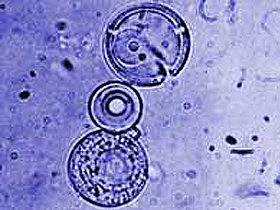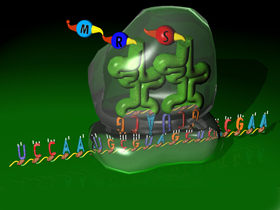
Dr. David Snoke, Professor of Physics and Astronomy: Physicist Highlights Scientific Evidence of Creation
1546






 HD 07:37 Videos
 01:26 Videos
 00:42 Videos
 02:53 Videos
 HD 04:26 Videos
 HD 19:36 Videos
 HD 24:24 Videos
 HD 21:12 Videos
 07:45 Videos
 HD 06:03 Videos
 HD 03:17 Videos
01:04 Videos
HD 03:17 Videos
01:04 Videos
 HD 05:52 Videos
 HD 08:04 Videos
 HD 01:00 Videos
 HD 02:07 Videos
 HD 03:10 Videos
 HD 04:37 Videos
 HD 14:50 Videos
 00:16 Videos
 HD 00:13 Videos
 HD 06:40 Videos
 HD 22:53 Videos
 HD 24:20 Videos
 HD 05:40 Videos
In this video, Professor David Snoke explains how the complex engineering observed in biological systems challenges secular paradigms. He discusses how life exhibits fine-tuning that suggests design rather than chance. By examining the intersection of science and faith, he advocates for an honest evaluation of scientific data that acknowledges the clear evidence of Allah's artistry in creation.
Biological systems function through complex engineering and extreme sensitivity, such as precise quantum tunneling rates. These specific parameters are necessary for life, reflecting a flawless design rather than random processes.
Researchers are finding that adopting an engineering paradigm—treating life as if it were designed by a master engineer—leads to more accurate quantitative predictions. This approach confirms that the complexity of living organisms mirrors purposeful engineering.
True scientific and spiritual growth requires an honest cross-disciplinary critique. Engaging with evidence allows for the refinement of understanding, whether in interpreting physical data or spiritual texts, ultimately aimed at the singular goal of finding the truth.
The inability of materialist models to explain the emergence of life often forces proponents to rely on unscientific claims, such as the intervention of space aliens. These failures demonstrate that current secular theories lack viable deterministic explanations for existence.
In this video, Professor David Snoke explains how the complex engineering observed in biological systems challenges secular paradigms. He discusses how life exhibits fine-tuning that suggests design rather than chance. By examining the intersection of science and faith, he advocates for an honest evaluation of scientific data that acknowledges the clear evidence of Allah's artistry in creation.
Biological systems function through complex engineering and extreme sensitivity, such as precise quantum tunneling rates. These specific parameters are necessary for life, reflecting a flawless design rather than random processes.
Researchers are finding that adopting an engineering paradigm—treating life as if it were designed by a master engineer—leads to more accurate quantitative predictions. This approach confirms that the complexity of living organisms mirrors purposeful engineering.
True scientific and spiritual growth requires an honest cross-disciplinary critique. Engaging with evidence allows for the refinement of understanding, whether in interpreting physical data or spiritual texts, ultimately aimed at the singular goal of finding the truth.
The inability of materialist models to explain the emergence of life often forces proponents to rely on unscientific claims, such as the intervention of space aliens. These failures demonstrate that current secular theories lack viable deterministic explanations for existence.

Install the app
Tap the share button , then select "Add to Home Screen".