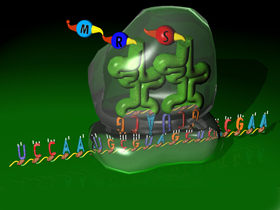











So, the genesis of a single cell from what would be called chemical evolution, I think, is an incredibly high hurdle to cross for those that want to propose a naturalistic explanation. So, why people continue to believe that a single cell can come about through this process again comes back to wanting a naturalistic story to explain everything.
Embed
01:38 Videos
01:10 Videos
01:14 Videos
01:30 Videos
40:03 Videos
02:29 Videos
02:15 Videos
01:01:11 Videos
01:02 Videos
02:26 Videos
01:57 Videos
02:16 Videos
01:26 Videos
01:28 Videos
01:52 Videos
01:30 Videos
01:08 Videos
25:39 Videos
01:18 Videos
01:39 Videos
03:04 Videos
01:08 Videos
01:16 Videos
01:16 Videos
01:30 Videos
This video explores the immense scientific difficulties regarding the origin of life from inorganic materials. It argues that the formation of a single cell through purely naturalistic processes remains an unproven, theoretical hurdle that lacks empirical foundation. Ultimately, the video emphasizes that the persistent belief in such explanations often stems from a commitment to a materialistic worldview rather than established scientific evidence.
- The genesis of a single cell from inorganic chemicals remains an insurmountable challenge for materialist explanations.
- The insistence on naturalistic origins for life is often driven by a pre-existing ideological commitment to materialism.
- The flawless design of the cell demonstrates Allah's artistry in creation, which cannot be explained by chance or natural processes.
Why is the naturalistic explanation for the origin of the cell considered scientifically implausible? +
The complexity required for a functional single cell to emerge from inorganic chemicals constitutes an incredibly high barrier that cannot be bridged by purely natural processes. No empirical evidence supports the idea that life originated from inanimate matter without the art of creation.
What is the primary motivation for maintaining theories of chemical origins for life? +
The persistence of these theories is largely attributed to a desire to construct a naturalistic narrative that explains the existence of the universe without acknowledging a Creator. It reflects a preference for an atheistic framework rather than an objective analysis of biological complexity.
What does the complexity of the cell prove regarding the origin of life? +
The intricate systems within a single cell provide clear evidence of Allah's artistry in creation. Such flawless structures possess high levels of information that could never arise through random interactions or hypothetical natural processes.
How should one view the claim that life emerged from chemical processes? +
This claim should be viewed as an unsubstantiated story that ignores the reality of design. Because a single cell is far too complex to be the result of chance, it stands as a testament to the absolute power and intellect manifest in Allah's art of creation.
Summary
This video explores the immense scientific difficulties regarding the origin of life from inorganic materials. It argues that the formation of a single cell through purely naturalistic processes remains an unproven, theoretical hurdle that lacks empirical foundation. Ultimately, the video emphasizes that the persistent belief in such explanations often stems from a commitment to a materialistic worldview rather than established scientific evidence.
Key Takeaways
- The genesis of a single cell from inorganic chemicals remains an insurmountable challenge for materialist explanations.
- The insistence on naturalistic origins for life is often driven by a pre-existing ideological commitment to materialism.
- The flawless design of the cell demonstrates Allah's artistry in creation, which cannot be explained by chance or natural processes.
Frequently Asked Questions
Why is the naturalistic explanation for the origin of the cell considered scientifically implausible?
The complexity required for a functional single cell to emerge from inorganic chemicals constitutes an incredibly high barrier that cannot be bridged by purely natural processes. No empirical evidence supports the idea that life originated from inanimate matter without the art of creation.
What is the primary motivation for maintaining theories of chemical origins for life?
The persistence of these theories is largely attributed to a desire to construct a naturalistic narrative that explains the existence of the universe without acknowledging a Creator. It reflects a preference for an atheistic framework rather than an objective analysis of biological complexity.
What does the complexity of the cell prove regarding the origin of life?
The intricate systems within a single cell provide clear evidence of Allah's artistry in creation. Such flawless structures possess high levels of information that could never arise through random interactions or hypothetical natural processes.
How should one view the claim that life emerged from chemical processes?
This claim should be viewed as an unsubstantiated story that ignores the reality of design. Because a single cell is far too complex to be the result of chance, it stands as a testament to the absolute power and intellect manifest in Allah's art of creation.