Creation Museum - Pelican beak
1907






 02:40 Videos
 03:20 Videos
 04:10 Videos
 02:33 Videos
 02:43 Videos
 03:39 Videos
 02:46 Videos
 03:34 Videos
 02:28 Videos
 01:16 Videos
 05:44 Videos
 11:03 Videos
 04:09 Videos
 08:09 Videos
 02:32 Videos
 02:58 Videos
 02:56 Videos
 03:12 Videos
 02:59 Videos
 03:29 Videos
 04:23 Videos
 03:35 Videos
 05:17 Videos
 02:11 Videos
 08:08 Videos
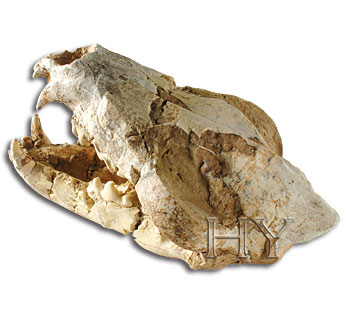
This video presents a 46-million-year-old pelican skull as scientific evidence against the claims of change over time. By comparing this ancient fossil to modern pelicans, it demonstrates that species remain stable throughout history, a phenomenon known as stasis. The video highlights how this evidence reflects Allah's artistry in creation, showing that living beings were created in their perfect, original forms.
The fossil confirms that the pelican has remained exactly the same for millions of years. This stability shows that life does not transition from one form to another, but was created by Allah in its original, perfect state.
Stasis refers to the observation that living beings appear in the fossil record in their original, complete forms and remain unchanged throughout time. It indicates that species do not undergo progressive changes but instead maintain their initial created characteristics.
DNA is not modified by external factors or physical activities performed during an individual's life. Because DNA remains stable, traits acquired after birth cannot be passed down to subsequent generations, ensuring that offspring are born with the same inherent blueprint.
The complexity and specialized function of the pelican beak appear fully formed in the fossil record. This demonstrates that such features were intentionally designed and granted by Allah rather than being the result of chance or gradual modification.
This video presents a 46-million-year-old pelican skull as scientific evidence against the claims of change over time. By comparing this ancient fossil to modern pelicans, it demonstrates that species remain stable throughout history, a phenomenon known as stasis. The video highlights how this evidence reflects Allah's artistry in creation, showing that living beings were created in their perfect, original forms.
The fossil confirms that the pelican has remained exactly the same for millions of years. This stability shows that life does not transition from one form to another, but was created by Allah in its original, perfect state.
Stasis refers to the observation that living beings appear in the fossil record in their original, complete forms and remain unchanged throughout time. It indicates that species do not undergo progressive changes but instead maintain their initial created characteristics.
DNA is not modified by external factors or physical activities performed during an individual's life. Because DNA remains stable, traits acquired after birth cannot be passed down to subsequent generations, ensuring that offspring are born with the same inherent blueprint.
The complexity and specialized function of the pelican beak appear fully formed in the fossil record. This demonstrates that such features were intentionally designed and granted by Allah rather than being the result of chance or gradual modification.

Install the app
Tap the share button , then select "Add to Home Screen".