Creation Museum - Oak leaf
1226






 02:40 Videos
 03:20 Videos
 04:10 Videos
 02:33 Videos
 02:43 Videos
 03:39 Videos
 02:46 Videos
 03:34 Videos
 04:33 Videos
 02:56 Videos
 03:12 Videos
 03:46 Videos
 04:32 Videos
 02:16 Videos
 31:59 Videos
 30:21 Videos
 35:28 Videos
 04:33 Videos
 05:44 Videos
 11:03 Videos
 04:09 Videos
 08:09 Videos
 02:32 Videos
 02:58 Videos
 02:59 Videos
This video presents a 30-million-year-old fossilized oak leaf, demonstrating that its structure remains identical to oak leaves existing today. Through this evidence, the video highlights how living things do not change over vast periods, reflecting the flawless nature of Allah's artistry in creation. Paleontological findings confirm that life forms were created in their perfect state and have remained unchanged.
The fossil reveals that oak leaves have remained structurally identical over tens of millions of years. This demonstrates that species do not change or transform into other life forms, maintaining their original created design throughout time.
The persistence of the leaf's complex vein patterns and structure over 30 million years illustrates that life was perfectly formed from the beginning. It serves as a clear testament to the flawless and intentional artistry in creation established by Allah.
Leaves possess soft and fragile structures that usually decompose quickly. Finding one perfectly preserved within layers of rock is a rare occurrence, providing a unique glimpse into the unchanged forms of plant life from the distant past.
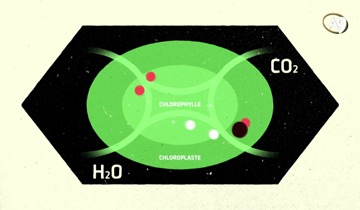
Since the oak leaf functioned 30 million years ago exactly as it does today, it confirms that the complex biological process of photosynthesis has always been fully operational. It shows that the functional systems of plants were provided in their complete state by Allah.
This video presents a 30-million-year-old fossilized oak leaf, demonstrating that its structure remains identical to oak leaves existing today. Through this evidence, the video highlights how living things do not change over vast periods, reflecting the flawless nature of Allah's artistry in creation. Paleontological findings confirm that life forms were created in their perfect state and have remained unchanged.
The fossil reveals that oak leaves have remained structurally identical over tens of millions of years. This demonstrates that species do not change or transform into other life forms, maintaining their original created design throughout time.
The persistence of the leaf's complex vein patterns and structure over 30 million years illustrates that life was perfectly formed from the beginning. It serves as a clear testament to the flawless and intentional artistry in creation established by Allah.
Leaves possess soft and fragile structures that usually decompose quickly. Finding one perfectly preserved within layers of rock is a rare occurrence, providing a unique glimpse into the unchanged forms of plant life from the distant past.
Since the oak leaf functioned 30 million years ago exactly as it does today, it confirms that the complex biological process of photosynthesis has always been fully operational. It shows that the functional systems of plants were provided in their complete state by Allah.

Install the app
Tap the share button , then select "Add to Home Screen".