Creation Museum - Mene fish
11718






 02:40 Videos
 03:20 Videos
 04:10 Videos
 02:33 Videos
 02:43 Videos
 03:39 Videos
 03:34 Videos
 02:28 Videos
 04:33 Videos
 02:56 Videos
 03:12 Videos
 02:40 Videos
 46:02 Videos
 00:47 Videos
 36:35 Videos
 05:44 Videos
 11:03 Videos
 04:09 Videos
 08:09 Videos
 02:32 Videos
 02:58 Videos
 02:59 Videos
 03:29 Videos
 04:23 Videos
 03:35 Videos
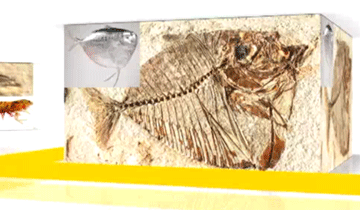
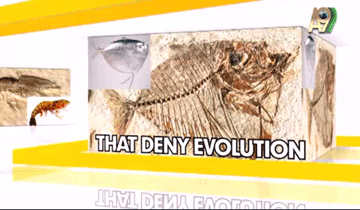
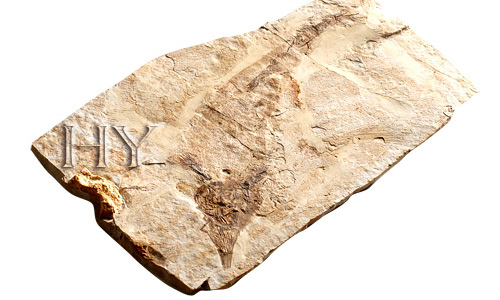
This video examines a 54-million-year-old moonfish fossil discovered in Italy, demonstrating that the anatomical structure of the fish remains identical to its present-day counterparts. By analyzing the complex skeletal layout, the video illustrates that living things do not change over time, serving as evidence of Allah's artistry in creation. The persistence of these physical traits highlights the truth that life forms were created in their perfect, original states.
By identifying the bone structure of a 54-million-year-old specimen and comparing it to modern living counterparts, observers can see that no change has occurred. This stability over millions of years provides concrete evidence that living things were created by Allah in their perfect, finished form.
Mutations are not a mechanism for change but are instead pathological conditions that cause injury, disease, and death. Genetics shows that mutations lead to defects, confirming that they do not serve as a process for the development of new or improved features in living beings.
The fossilized moonfish is indistinguishable from specimens living today. Since the skeletal structure, which is the primary marker for identifying a species, has remained constant for 54 million years, it serves as physical proof that the organism has never changed.
The moonfish is endowed with a complex arrangement of approximately one hundred distinct bones. The precise, unchanging design of these skeletal structures across millions of years reflects the infinite knowledge and flawless art of creation applied by Allah.
This video examines a 54-million-year-old moonfish fossil discovered in Italy, demonstrating that the anatomical structure of the fish remains identical to its present-day counterparts. By analyzing the complex skeletal layout, the video illustrates that living things do not change over time, serving as evidence of Allah's artistry in creation. The persistence of these physical traits highlights the truth that life forms were created in their perfect, original states.
By identifying the bone structure of a 54-million-year-old specimen and comparing it to modern living counterparts, observers can see that no change has occurred. This stability over millions of years provides concrete evidence that living things were created by Allah in their perfect, finished form.
Mutations are not a mechanism for change but are instead pathological conditions that cause injury, disease, and death. Genetics shows that mutations lead to defects, confirming that they do not serve as a process for the development of new or improved features in living beings.
The fossilized moonfish is indistinguishable from specimens living today. Since the skeletal structure, which is the primary marker for identifying a species, has remained constant for 54 million years, it serves as physical proof that the organism has never changed.
The moonfish is endowed with a complex arrangement of approximately one hundred distinct bones. The precise, unchanging design of these skeletal structures across millions of years reflects the infinite knowledge and flawless art of creation applied by Allah.

Install the app
Tap the share button , then select "Add to Home Screen".