


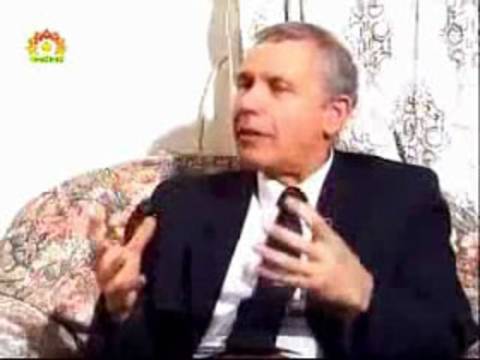





Dr. Jerald F. Dirks, formerly a Christian priest, describes how he became a Muslim. After studying psychology at Harvard University, he did a doctorate at Denver University, and was strongly influenced by the excellent moral values of a Muslim he met in 1991. He says that he later met other Muslims and found the same moral virtues in them, at which point he realized that these values stemmed from the Qur’an, which he then began studying for himself.
Embed
05:37 Videos
41:38 Videos
01:19 Videos
03:59 Videos
02:19 Videos
28:49 Videos
03:13 Videos
39:51 Videos
50:04 Videos
03:24 Videos
02:37 Videos
01:48 Videos
41:15 Videos
03:00 Videos
04:11 Videos
04:13 Videos
02:22 Videos
00:52 Videos
03:39 Videos
00:50 Videos
10:49 Videos
02:05 Videos
02:40 Videos
02:57 Videos
01:35 Videos
This video recounts the personal journey of Dr. Jerald F. Dirks, a former Christian priest who embraced Islam. Through observations of his Muslim neighbors in Colorado, he became deeply impressed by their high moral standards, ethical conduct in business, and devotion to prayer. By studying the Qur'an, he recognized its divine nature, realizing the historical and theological truths within it could not have been known by an illiterate individual in the 7th century.
- Moral integrity and consistent living serve as a profound form of invitation to the faith.
- The Qur'an contains historical truths that confirm its divine origin and revelation.
- Observing the sincerity and patience of believers in their daily lives leads to deeper reflection on Qur'anic values.
- The Prophet Muhammad's status as an illiterate man serves as evidence that the Qur'an was inspired by Allah.
What role did the moral character of others play in the speaker's path to Islam? +
The speaker observed that his Muslim friends maintained high ethical standards in both their professional dealings and family lives. This consistent behavior demonstrated the practical application of Qur'anic values and served as a powerful invitation to consider the faith.
How does the fact that the Prophet Muhammad was illiterate serve as evidence for the divine origin of the Qur'an? +
The Qur'an contains detailed knowledge regarding biblical history and concepts that were inaccessible to an illiterate person in the 7th century. This indicates that the information could only have been conveyed through divine inspiration from Allah.
Why is the observation of prayer considered a powerful form of preaching? +
Prayer is a direct act of devotion and submission to Allah. By performing the prescribed postures and focusing solely on God, a believer demonstrates a sincere and living faith, which naturally influences observers who are seeking the truth.
How did the speaker approach the task of distinguishing his own beliefs from those of the Qur'an? +
He conducted personal research by reading translations of the meaning of the Qur'an and comparing its theological and historical narratives with his own knowledge. This process allowed him to find consistency and recognize that the teachings aligned with the truth.
Summary
This video recounts the personal journey of Dr. Jerald F. Dirks, a former Christian priest who embraced Islam. Through observations of his Muslim neighbors in Colorado, he became deeply impressed by their high moral standards, ethical conduct in business, and devotion to prayer. By studying the Qur'an, he recognized its divine nature, realizing the historical and theological truths within it could not have been known by an illiterate individual in the 7th century.
Key Takeaways
- Moral integrity and consistent living serve as a profound form of invitation to the faith.
- The Qur'an contains historical truths that confirm its divine origin and revelation.
- Observing the sincerity and patience of believers in their daily lives leads to deeper reflection on Qur'anic values.
- The Prophet Muhammad's status as an illiterate man serves as evidence that the Qur'an was inspired by Allah.
Frequently Asked Questions
What role did the moral character of others play in the speaker's path to Islam?
The speaker observed that his Muslim friends maintained high ethical standards in both their professional dealings and family lives. This consistent behavior demonstrated the practical application of Qur'anic values and served as a powerful invitation to consider the faith.
How does the fact that the Prophet Muhammad was illiterate serve as evidence for the divine origin of the Qur'an?
The Qur'an contains detailed knowledge regarding biblical history and concepts that were inaccessible to an illiterate person in the 7th century. This indicates that the information could only have been conveyed through divine inspiration from Allah.
Why is the observation of prayer considered a powerful form of preaching?
Prayer is a direct act of devotion and submission to Allah. By performing the prescribed postures and focusing solely on God, a believer demonstrates a sincere and living faith, which naturally influences observers who are seeking the truth.
How did the speaker approach the task of distinguishing his own beliefs from those of the Qur'an?
He conducted personal research by reading translations of the meaning of the Qur'an and comparing its theological and historical narratives with his own knowledge. This process allowed him to find consistency and recognize that the teachings aligned with the truth.